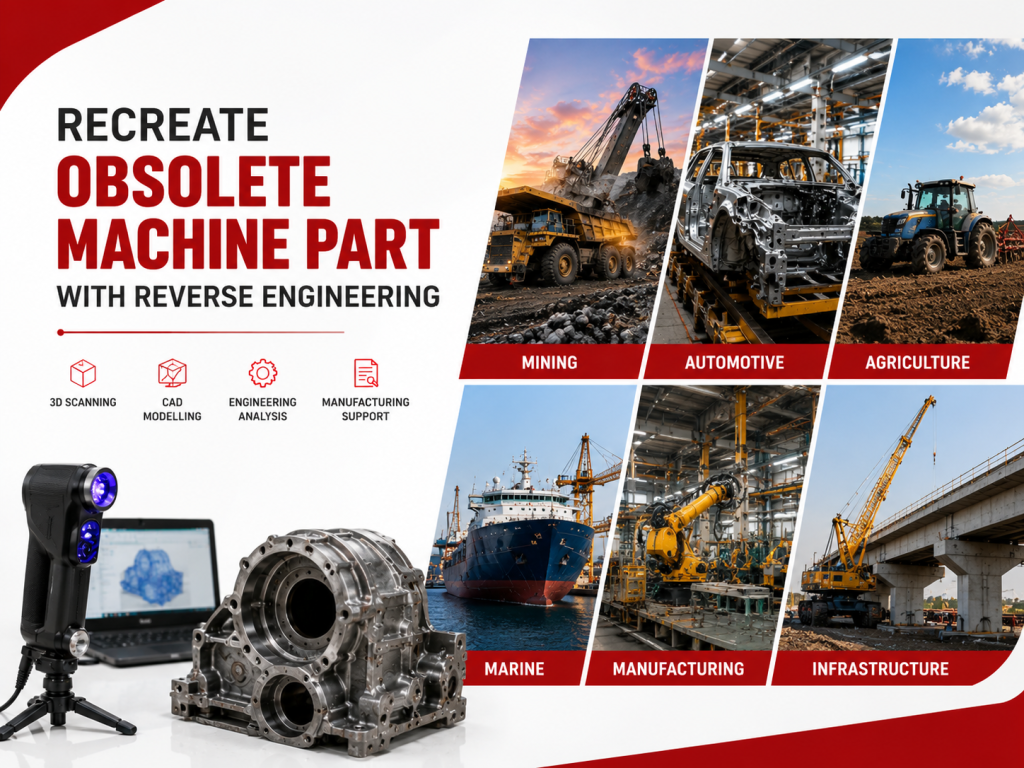
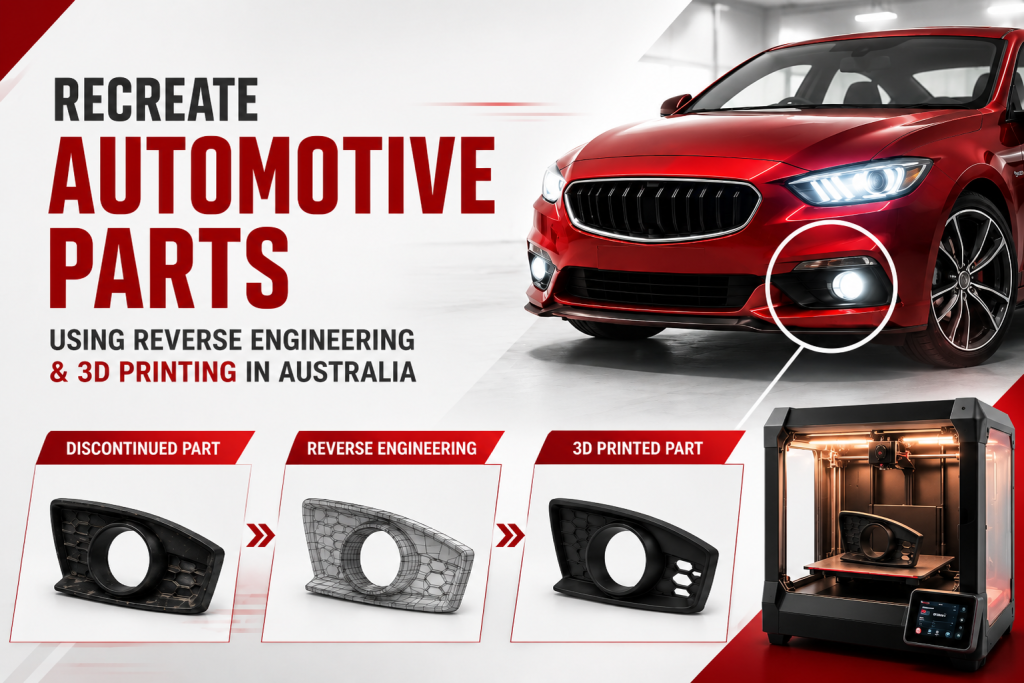
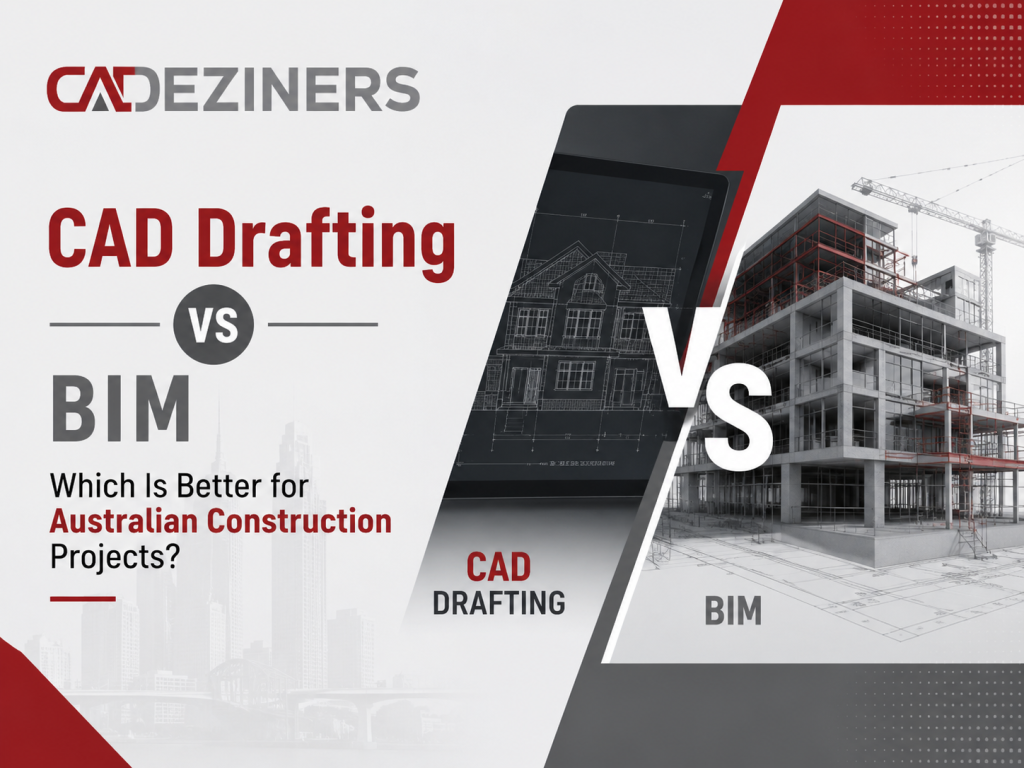
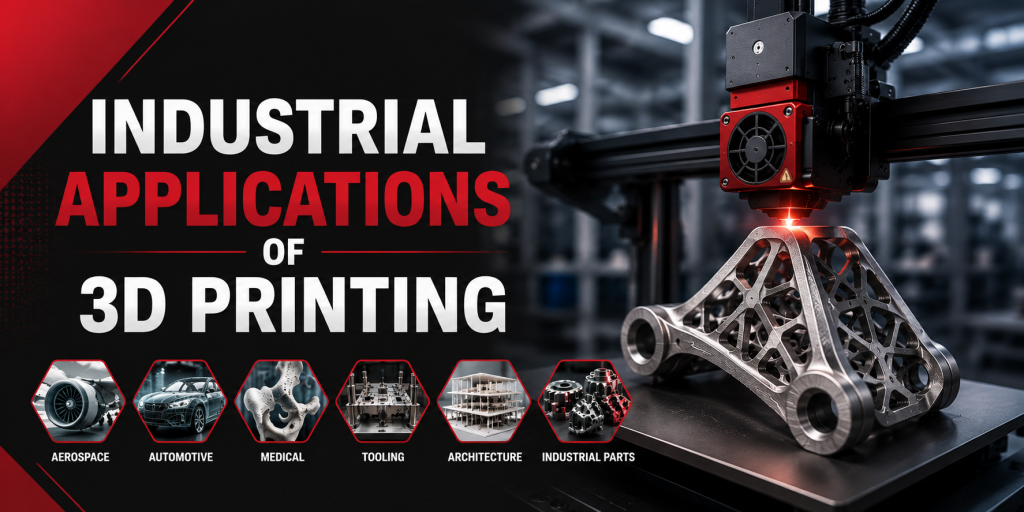
In engineering, accuracy, speed, and creativity matter the most. Mechanical CAD (Computer-Aided Design) has changed the way engineers plan and make products. Today, industries like cars, airplanes, and manufacturing depend on it. Let’s take a closer look at the main benefits of Mechanical CAD Designing.
Enhanced Accuracy and Precision
One of the biggest advantages of Mechanical CAD Designing is its unmatched precision. Unlike manual drafting, where human errors are common, mistakes in CAD designs are much less likely. Even small errors can cause problems during production and may lead to costly and time-consuming revisions.
Mechanical CAD solves this by allowing designers to create detailed and exact models. The software includes error-checking tools, and designers can cross-check their models against the original specifications.
Key Advantages:
- Error Tracking: Built-in tools detect and correct mistakes early.
- Precision: Designers can set exact dimensions, tolerances, and material properties.
- Consistency: All components and assemblies follow the same process, reducing variability and improving control.
Example: For complex mechanical parts, CAD lets designers define precise tolerances and dimensions. Each part fits accurately within the assembly, minimizing production errors and improving overall product quality.
Cost-Effectiveness
Another major advantage of Mechanical CAD Designing is its cost-effectiveness. Traditional design and drafting processes often require multiple physical prototypes to test and refine a design. This can be both time-consuming and expensive. With Mechanical CAD, designers can create virtual prototypes, which can be tested and modified without the need for physical models. This not only reduces material costs but also speeds up the design process.
Additionally, many companies opt to outsource their mechanical drafting services to specialised firms. This approach can be more cost-effective than maintaining an in-house team, as it eliminates the overhead costs associated with software, training, and personnel. With the expertise of dedicated mechanical drafting services, businesses can access the latest tools and technologies without the associated expenses, allowing them to focus on their core competencies.

Improved Collaboration and Communication
Collaboration is key. Mechanical CAD Designing facilitates better collaboration between teams, regardless of their physical location. With cloud-based platforms and real-time sharing capabilities, multiple stakeholders can work on the same project simultaneously, making adjustments and providing feedback in real-time. This streamlined communication ensures that everyone involved in the project is on the same page, reducing the likelihood of miscommunication and errors.
For instance, in large-scale projects involving multiple disciplines, such as mechanical, electrical, and civil engineering, Mechanical CAD software allows for the integration of various design aspects into a single model. This integrated approach enables teams to identify and resolve potential conflicts early in the design process, leading to more efficient project execution.
Enhanced Flexibility and Scalability
Mechanical CAD Designing offers unparalleled flexibility and scalability. Whether you’re working on a small component or a large assembly, Mechanical CAD tools can easily adapt to the scope of the project. The software allows for easy modifications and iterations, enabling designers to quickly respond to changes in project requirements. This flexibility is especially valuable in industries where design specifications are constantly evolving.
Plus, mechanical drafting services provide scalability that can be crucial during peak project periods. When project demands increase, outsourcing drafting work allows businesses to scale their operations without the need for additional in-house resources. This scalability ensures that companies can meet tight deadlines and manage large projects without compromising on quality or efficiency.
Simulation and Testing Capabilities
One of the standout features of Mechanical CAD software is its ability to simulate and test designs under real-world conditions. Before any physical prototype is created, designers can use the software to run simulations that test for factors such as stress, heat, and motion. These simulations provide valuable insights into how a design will perform, allowing for optimization and refinement before production begins.
The simulation capabilities of Mechanical CAD software are particularly beneficial for industries where safety and performance are critical. By identifying potential issues early in the design process, companies can avoid costly mistakes and ensure that the final product meets all necessary standards and specifications.
Conclusion
Mechanical CAD Designing offers many powerful benefits. From improved accuracy and cost savings to better collaboration and flexibility, it has become a key tool in modern engineering. When paired with professional mechanical drafting services, businesses can achieve even more—creating designs that are innovative, efficient, and reliable. As industries continue to grow and evolve, the advantages of Mechanical CAD will only become more important, making it an essential part of any successful engineering project.