
CNC Machining Service Provider in Australia: From CAD Design to Precision Parts
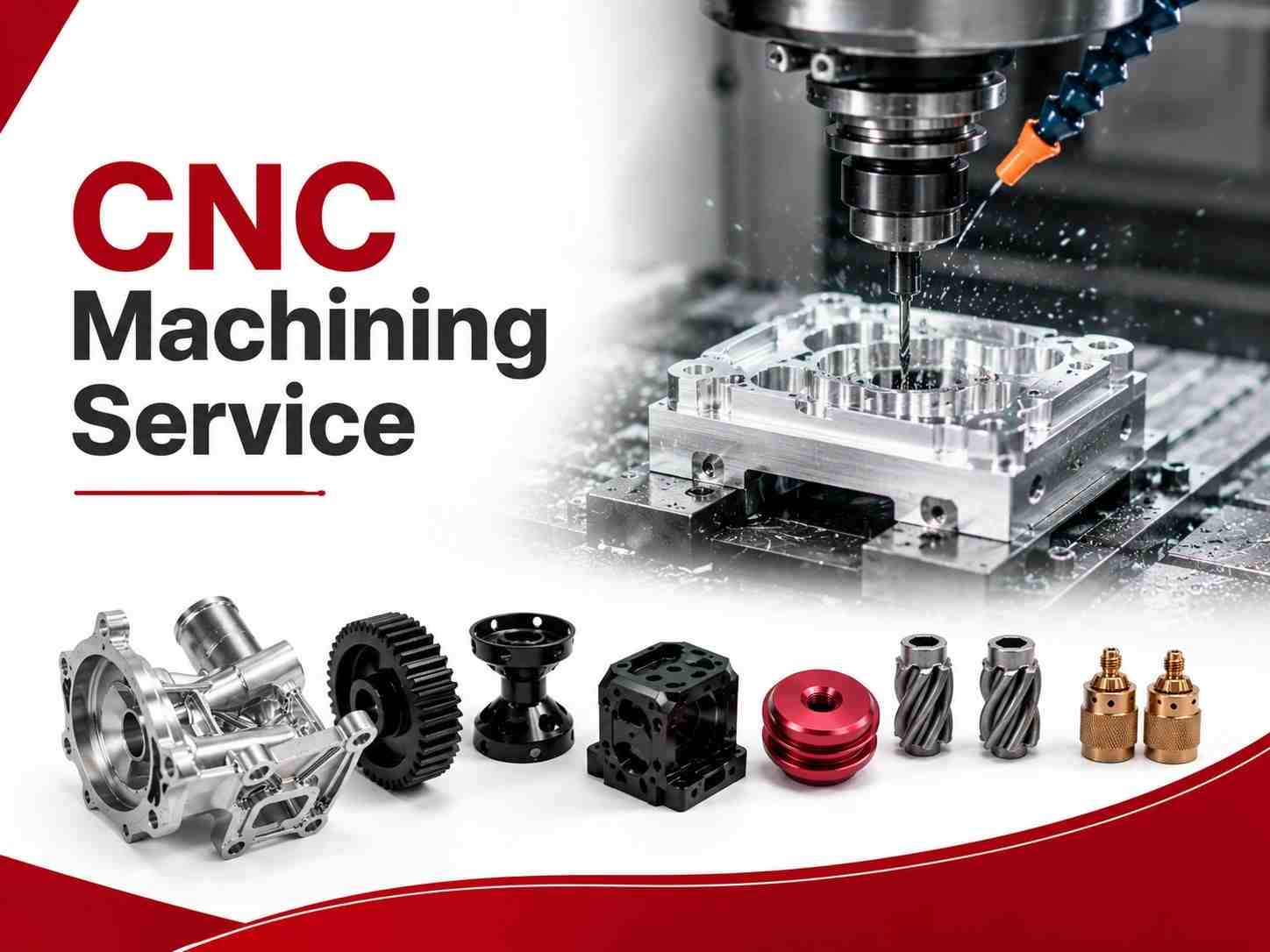
Turning a design into a real working part is not just about sending a CAD file to a machine shop. The final part must be correct and reliable. This depends on how the design’s prepared. It also depends on choosing the material. The way the part is machined matters. The size limits and the finish needed are important.. Having the right experience in manufacturing is essential.
For businesses that are creating prototypes, replacement parts, custom machine pieces or products ready for production, picking the right CNC machining service provider in Australia can really change the outcome of the project.
A skilled CNC machining service provider can help close the gap between a CAD design and precise manufacturing so businesses can move from a model to a real part, with more confidence.
What Is CNC Machining?
CNC, which stands for Computer Numerical Control machining, is a subtractive manufacturing process. In this process computer‑controlled machines take away material from a workpiece until the desired shape is made.
Unlike manufacturing, which builds a component one layer at a time, CNC machining begins with a block, a bar or another workpiece. Then CNC removes material following a set of programmed toolpaths.
I have seen CNC machining used widely to produce parts that need accuracy, repeatability and good material performance.
Depending on the project and equipment available, CNC machining can be used for applications such as:
- Custom mechanical components
- Engineering parts
- Product prototypes
- Automotive components
- Machinery parts
- Replacement parts
- Fixtures and tooling
- Functional prototypes
- Low-volume production components
For businesses with an existing CAD model, CNC machining can provide a direct pathway from digital design to a usable physical part.
From CAD Design to CNC Machined Part
A CNC machining project often starts well before the machine is switched on.
The CAD model provides the digital definition of the component, including its geometry and dimensions. However, the model may need to be reviewed and prepared for manufacturing before machining begins.
A typical workflow can include:
1. CAD Model Preparation
The first step is to make sure that the CAD model correctly shows the component that we want. The CAD model must match the part.
The manufacturer will look at the dimensions, geometry, material specifications, tolerances and other manufacturing requirements. The manufacturer must check every detail.
CAD Deziners also points out how important it is to have production- CAD files. Missing tolerances, file formats that do not fit and engineering drawings that’re not complete can delay CNC machining. CNC machining delays happen when CAD files are not ready.
2. Design for Manufacturability
Not every shape that can be made digitally is easy or cheap to machine.
A manufacturing review can spot shape details that might need tools, extra machining steps or design changes.
Thinking about manufacturability early can lower production costs and stop later delays in the project.
3. Material Selection
The appropriate material depends on the intended application.
CNC machining can be used with different metals and plastics, depending on the equipment, component requirements and manufacturing process.
Material selection should take into account factors such as:
- Strength
- Weight
- Durability
- Temperature exposure
- Chemical resistance
- Wear requirements
- Surface finish
- Application environment
The right CNC machining service provider can help assess material requirements alongside the design.
4. CNC Programming and Machining
Once the design and manufacturing requirements are established, the component can be prepared for CNC machining.
Toolpaths are developed to control how the cutting tools move through the material. Factors such as cutting strategy, tooling, workholding and machining operations can influence the final result.
5. Inspection and Finishing
After machining the component can be checked to make sure it meets the required specifications.
Depending on what the component’s used for more finishing steps might be needed to get the right look, surface feel or how well it works.
Why Choose a Professional CNC Machining Service Provider?
Choosing a CNC supplier is not simply about finding the lowest quotation.
A professional service provider should understand the relationship between design, engineering requirements and manufacturing.
This becomes particularly important when producing custom parts because every project can have different requirements.
A suitable CNC machining partner can help you:
Reduce design-to-production problems:
Manufacturing considerations can be identified before production begins.
Improve component consistency:
Controlled CNC processes can support repeatable production.
Develop functional prototypes:
CNC machining can produce prototypes using materials suitable for real-world testing.
Support custom requirements:
Businesses can manufacture components based on their own CAD designs and specifications.
Move from prototype to production:
A well-prepared design can provide a foundation for future manufacturing requirements.
CNC Machining for Prototypes and Product Development
CNC machining can be particularly useful during product development.
A 3D-printed prototype may be suitable for checking dimensions, appearance or basic fit. However, some projects require a prototype manufactured from the same or similar material intended for the final application.
This is where CNC machining can become valuable.
A machined prototype can allow engineers and product designers to evaluate:
- Functional performance
- Component fit
- Assembly
- Mechanical strength
- Clearances
- Dimensions
- Surface finish
- Interaction with other components
CAD Deziners’ product development approach includes CAD modelling, prototyping and manufacturing preparation, with CNC machining identified as one of the manufacturing options for accurate components and functional prototypes.
CNC Machining vs 3D Printing: Which Should You Choose?
CNC machining and 3D printing solve different manufacturing problems.
CNC machining may be preferable when you need:
- Precision machined components
- Strong functional parts
- Specific engineering materials
- Smooth or controlled surface finishes
- Components suitable for demanding applications
- Low-volume or custom production
3D printing can be advantageous when you need:
- Rapid concept prototypes
- Complex geometries
- Fast design iterations
- Lightweight prototype structures
- Visual models
In some product-development projects, the two technologies can complement each other.
For example, a business might use 3D printing to test the initial design and then move to CNC machining when a stronger or more production-representative component is required.
What Industries Use CNC Machining Services in Australia?
CNC machining is relevant to a broad range of Australian industries because custom components are required across many engineering and manufacturing applications.
Potential applications include:
Automotive
Custom brackets, housings, fixtures, prototype components and other vehicle-related parts can be developed through CNC machining.
Manufacturing
Manufacturers may require custom machine components, replacement parts, tooling and production fixtures.
Mining
Mining and heavy-engineering environments often require robust components and replacement parts designed for specific equipment.
Marine
Marine equipment can involve custom mechanical components requiring suitable materials and manufacturing processes.
Product Development
Startups and established companies developing physical products can use CNC machining to create prototypes and functional components.
CAD Deziners states that it supports sectors including automotive, medical, mining, heavy engineering, construction and industrial applications.
What Makes a CAD File Ready for CNC Machining?
A good CAD file can make the quotation and manufacturing process more efficient.
Before sending your design to a CNC machining service provider, consider checking:
- Correct CAD file format
- Complete dimensions
- Material specification
- Required tolerances
- Surface-finish requirements
- Thread specifications
- Important manufacturing notes
- Revision number
- Engineering drawings where required
CAD designers observe that STEP, Parasolid and IGES are, among the common CAD formats used in CNC machining workflows. Incomplete drawings or unrealistic tolerances often cause manufacturing delays.
If you are unsure whether your file is ready, talking with your manufacturing provider before production can help spot problems.
How Much Does CNC Machining Cost in Australia?
There is no single price for CNC machining because each component has different manufacturing requirements.
Factors that can influence the cost include:
- Material
- Part size
- Design complexity
- Machining time
- Number of setups
- Required tolerances
- Surface finish
- Quantity
- Tooling requirements
- Post-machining processes
A simple component may require significantly less machining time than a complex multi-featured part.
Providing a complete CAD model, drawings, material specifications and quantity requirements can help a CNC machining service provider understand the project and prepare a more accurate quotation.
Choosing the Right CNC Machining Service Provider in Australia
When comparing CNC machining providers, look beyond price.
Consider whether the company can support your project from design review through manufacturing. This can be particularly valuable if you are developing a new product or modifying an existing component.
Look for a provider that offers:
- CAD and engineering expertise
- CNC machining capabilities
- Prototype development
- Custom manufacturing
- Material guidance
- Quality-focused processes
- Clear communication
- Support for different industries
- Ability to handle your required production volume
An integrated approach can reduce the need to coordinate separate companies for design, prototyping and manufacturing.
Why Consider CAD Deziners for Your CNC Machining Project?
CAD Deziners supports businesses across Australia with CAD, product development, 3D printing, scanning and manufacturing-related services. Its website lists CNC machining for custom metal and plastic machined parts as part of its service offering.
The company’s product development skills go from 3D CAD modelling and design to prototyping and preparation for manufacturing. This lets businesses think about the manufacturing method, in the development process.
It can help when your project starts with a concept with an existing component that must be copied or with a CAD model that has to turn into a physical part.
Get Your CNC Machining Project Started
Whether you need a one-off prototype, custom engineering component, replacement part or a larger batch of precision-machined components, the right manufacturing partner can help turn your CAD design into a practical product.
CAD Deziners provides CNC machining and related CAD and product-development services for businesses across Australia. If you already have a CAD file, you can submit your project requirements and request a quotation. The company currently accepts several common design file formats through its quotation process.
Ready to turn your CAD design into a precision part? Contact CAD Deziners to discuss your CNC machining requirements and request a quote.
CAD Deziners
Email: info@caddeziners.com.au
Phone: +61 1300 143 540
CAD Deziners serves clients across Australia, with locations listed in Melbourne, Sydney, Brisbane and Perth.
Recent Posts
-
 How Australian Industries Recreate Obsolete Parts with Reverse Engineering03 Jun 2026
 -
 Reverse Engineering & 3D Printing for Automotive Aftermarket Parts29 May 2026
 -
CAD Drafting vs BIM for Construction Projects in Australia22 May 2026
-
 Top 10 Industrial Applications of 3D Printing and Their Benefits15 May 2026
 -
Minimum Wall Thickness for SLA 3D Printing: Design Guide 202608 May 2026
Categories
- Blogs
- 3D Printing Articles
- 3d Scanning Articles
- Cad Drafting Articles
- FEA Services Articles