
Product Development Company Australia – CAD Deziners
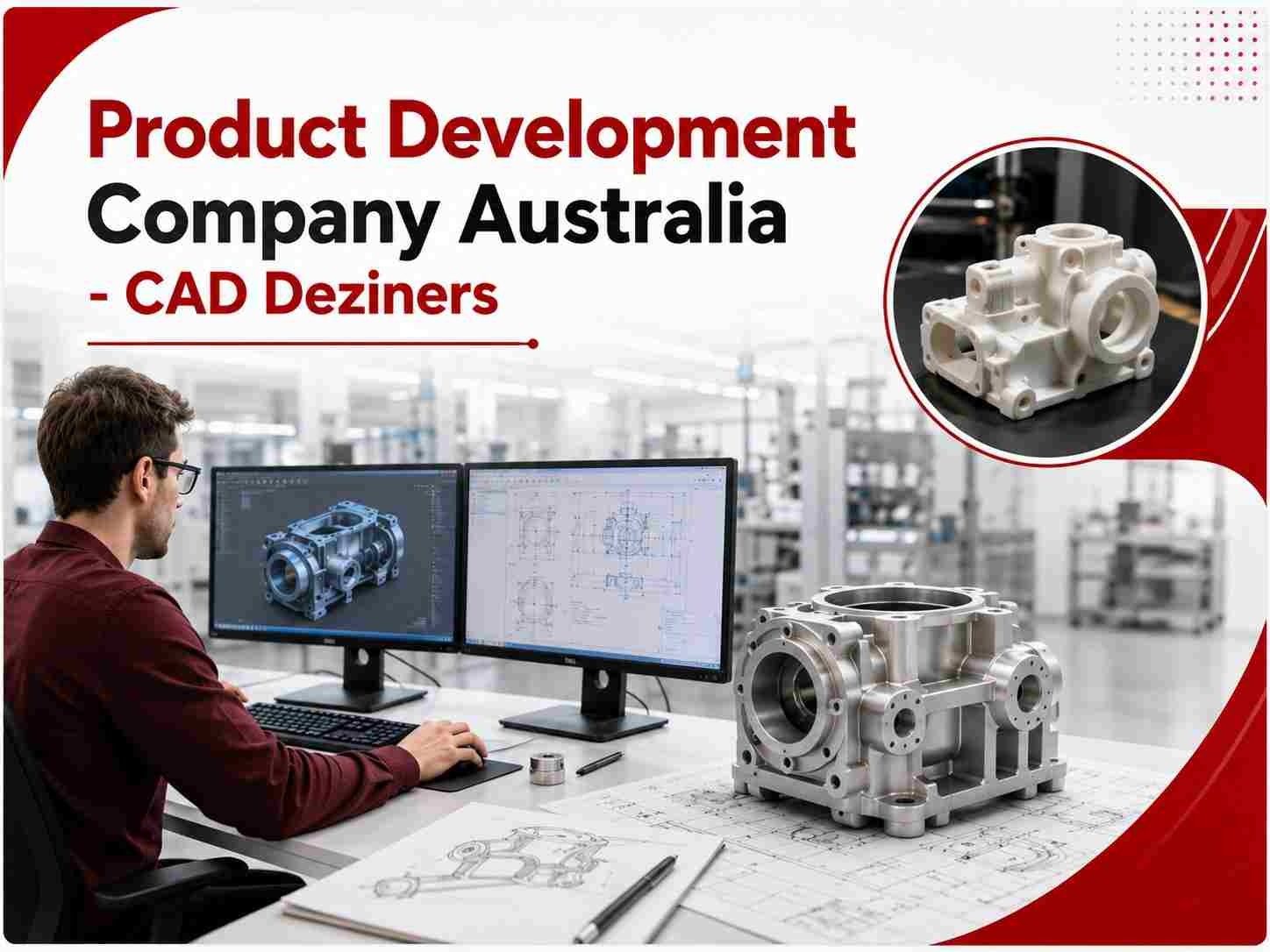
Turning a good product idea into a successful physical product is not just a good idea. It has to be engineered properly, tested, refined and produced. And this is where the right product development company is so important.
For Australian companies, startups, inventors and engineering teams, the right product development partner can make the process much easier from a basic idea to a product that will be ready for production.
At CAD Deziners we provide product design, CAD modelling, prototyping, 3D scanning, 3D printing and manufacturing solutions. Our goal is to help turn your product idea into something you can test and refine and take to production.
What Does a Product Development Company Do?
A product development company helps businesses build an idea, a drawing, an existing part or an idea into a product.
Depending on the project, this can involve:
- Concept development
- Product design
- 3D CAD modelling
- Engineering design
- Mechanical design
- Reverse engineering
- 3D scanning
- Prototyping
- 3D printing
- Material selection
- Design refinement
- Product testing support
- Manufacturing preparation
Not every product goes down the same path. A simple component may need only CAD modelling and prototyping, whereas a complex engineering product may need in-depth design, testing, multiple prototype iterations and manufacturing support.
The right development process depends on what you are building, who will use it, and how it will be manufactured.
Understanding the Product Development Process
The product development process generally goes through several phases but the exact timeline may vary from project to project.
1.Concept and requirements
Any product is born from an idea. At this stage, you need to describe what the product is going to do, who will use it, what its operating environment will look like and what kind of size, performance or material requirements it will have.
A clear brief gives engineers and designers a better start on the product.
2.Product Design
Once you have all that information, it’s possible to turn that into an engineering design.
CAD software allows the design team to develop accurate digital models and evaluate major components, parts and assemblies of the product before the actual production process begins.
3.3D CAD modelling
A 3D CAD model provides a real-world 3D representation of the product.
It can be used to:
- Visualise the design.
- Check dimensions.
- Develop assemblies.
- Identify design issues.
- Make manufacturing drawings.
- Create prototypes.
For complex products, accurate CAD data can be a key part of the overall development process.
4.Prototype Development
A prototype provides you with something tangible to evaluate. Depending on the product, prototypes can be made by FDM, SLA, SLS or PolyJet 3D printing.
Prototyping allows you to assess things like:
- size.
- Shape.
- Fit.
- Function.
- Ergonomics.
- The assembly.
- Appearance.
Problems discovered at the prototype stage can often be addressed before larger scale manufacturing starts.
5.Testing and refinement
The first prototype may not always be the final product. Testing can reveal design issues that were hard to detect in the digital model.
The product may go through multiple design iterations before it can deliver the performance and functionality required.
6.Manufacturing Preparation
Once the design is finished, it can be prepared for manufacturing.
Depending on the product, production might be CNC machining, injection molding, sheet metal fabrication or other manufacturing methods.
Why Businesses Work With a Product Development Company
Developing a product internally can require a lot of special software, engineering knowledge, prototyping equipment and manufacturing knowledge.
A professional development partner can bring all these things together.
Fix Design Problems before Production
Digital models and prototypes can help us identify problems before going into full production and testing them.
That way the risk of costly changes in manufacturing is taken care of once manufacturing is started.
Turn Concepts Into Manufacturable Designs
Some ideas may be easy to implement but very difficult to build or expensive to produce.
Engineering input can help tailor them to the manufacturing process for the design.
Speed Up Development
Design, prototyping and engineering capability through one development partner can reduce unnecessary handoffs between different suppliers.
Product Iteration
Product development is typically done in a process of testing an idea, finding a problem and improving the design.
One well-organised development process will make iteration easier.
What kind of product development services should I look for?
If you are comparing product development services, consider the level of help that the company can provide beyond simply designing.
Some capabilities would be:
Product Design and CAD
A good CAD model would help you make an idea a good design for engineering.
3D Scanning
When you are modifying or replicating an existing component, 3D scanning can capture its physical shape and produce digital data for further development.
Reverse Engineering
Reverse engineering is useful when CAD files or technical drawings are not available.
Rapid Prototyping
3D printing and other prototyping techniques enable companies to test physical versions of their products before committing to production.
CNC Machining
CNC machining is suitable for producing accurate components and functional prototypes from different materials.
Injection Moulding
For higher volume plastic production products, injection moulding should be a part of the production strategy.
Sheet Metal Fabrication
Metal enclosures, brackets, panels and other structural components may require sheet metal design and fabrication.
A provider with a variety of capabilities may be able to suggest the best model for your product.
Why Choose an Australian Product Development Company?
Working with a product development company in Australia can be useful for local businesses and engineering teams.
Easier Communication
In the same country, meetings, project discussions and design reviews can be done more easily.
Local understanding
Australian businesses have specific market, industry, environmental or manufacturing requirements.
A local engineering partner can better understand the context of the project.
Faster Design Feedback
Product development often involves frequent communication between the client and development team.
Local collaboration can streamline feedback and revisions.
Support beyond the Initial Design
Your requirements may change as the product progresses from concept to prototype and manufacturing.
The development partner that can support multiple phases can make the process more efficient.
Product Development Is Not Just About Creating a 3D Model
A common misconception is that product development is just a matter of building a CAD file.
In fact, CAD is only part of the development process.
A good product needs to be a product with:
- Function.
- Materials.
- Manufacturing method.
- Assembly.
- Durability.
- Cost.
- User requirements.
- Dimensions.
- Tolerances.
- Prototyping.
- Production requirements.
For instance, a product may look amazing in a CAD model but is difficult or expensive to make.
This is why engineering knowledge and manufacturing should be considered early in the development process.
When Should You Contact a Product Development Company?
You don’t need a finished design before contacting a development partner.
A product development company can be involved at different stages.
You may need professional support if you have:
- An initial product idea
- A hand-drawn concept
- An existing physical component
- An outdated CAD model
- A product that needs redesign
- A prototype that needs improvement
- A component that needs reverse engineering
- A product that needs to be prepared for manufacturing
Even if you aren’t sure which service you need, discussing your project with an experienced team can help identify the appropriate next step.
From Prototype to Production: Why Early Planning Matters
A product shouldn’t be designed without considering how it will eventually be manufactured.
For example, a component designed for one-off prototyping may not be economical when produced in large quantities.
Similarly, a design that works with CNC machining may require modifications if the intended production method changes to injection moulding.
Considering manufacturing requirements early can help avoid redesign work later.
This is one reason why an integrated approach to product development services can be valuable.
The design, prototyping and manufacturing strategy can be considered together rather than as completely separate stages.
How CAD Deziners Supports Product Development in Australia
At CAD Deziners, we work with businesses across Australia that need engineering and product development support.
Our capabilities include:
- Product development
- 3D CAD design
- 3D modelling
- 3D scanning
- Reverse engineering
- 3D printing
- CNC machining
- Injection moulding
- Sheet metal fabrication
- Product visualisation and rendering
This allows us to support projects from the early design stage through prototyping and towards manufacturing.
Whether you are developing a new product, improving an existing component or trying to turn an idea into a functional prototype, our team can help determine the appropriate development approach.
Industries That Can Benefit From Product Development Services
Product development isn’t limited to one industry.
CAD Deziners supports engineering and manufacturing requirements across areas such as:
- Automotive
- Aerospace
- Marine
- Medical
- Mining
- Construction
- Heavy engineering
- Industrial equipment
Each industry has different design and engineering requirements, so the development approach needs to be tailored to the product and application.
For example, an automotive component may require different considerations from a medical device enclosure or a marine component.
How Much Does Product Development Cost in Australia?
There is no single price to develop a product.
The cost depends on:
- product complexity,
- design requirements,
- number of components,
- CAD modelling requirements,
- prototype size,
- materials,
- manufacturing method,
- number of design revisions,
- quantity needed,
- and engineering requirements.
A simple component may have a relatively simple development process, while a complex one will require some engineering, prototyping, and production preparation.
The best way to understand the cost is to tell product requirements and discuss with the development company about the project.
Recent Posts
-
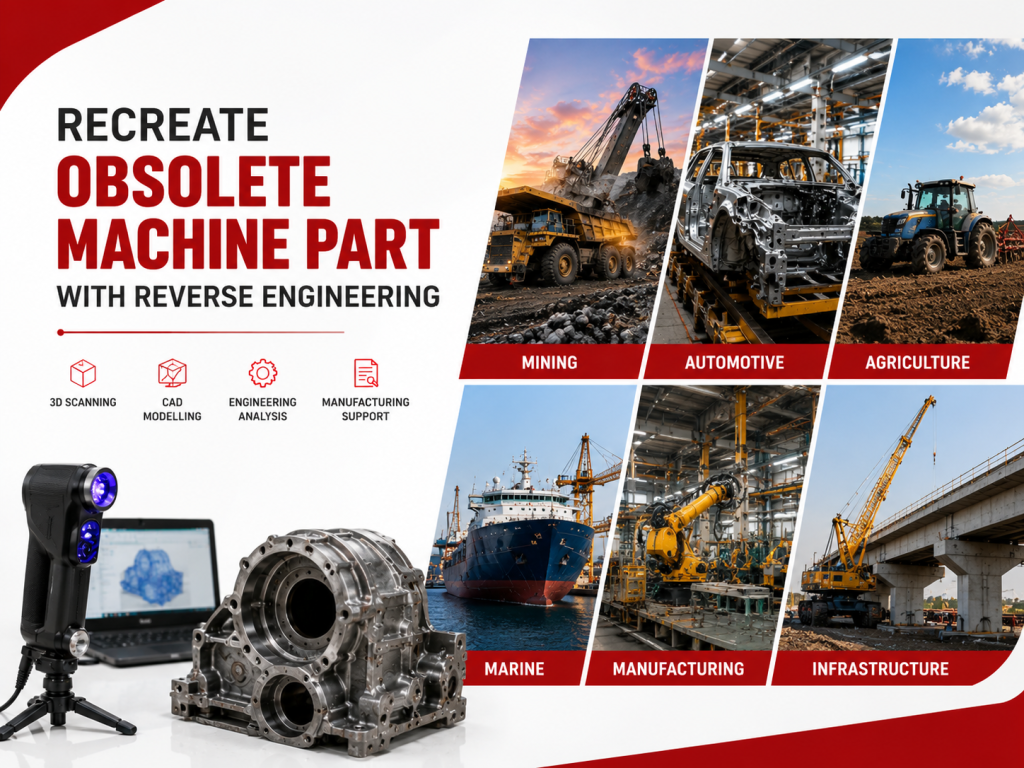
 How Australian Industries Recreate Obsolete Parts with Reverse Engineering03 Jun 2026
 -
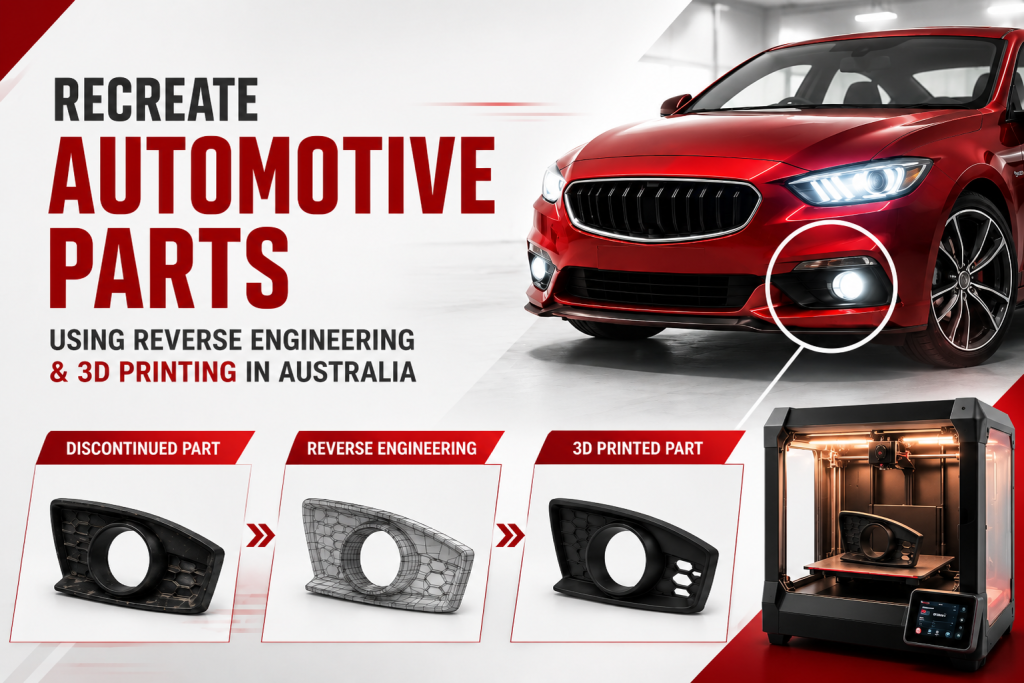
 Reverse Engineering & 3D Printing for Automotive Aftermarket Parts29 May 2026
 -
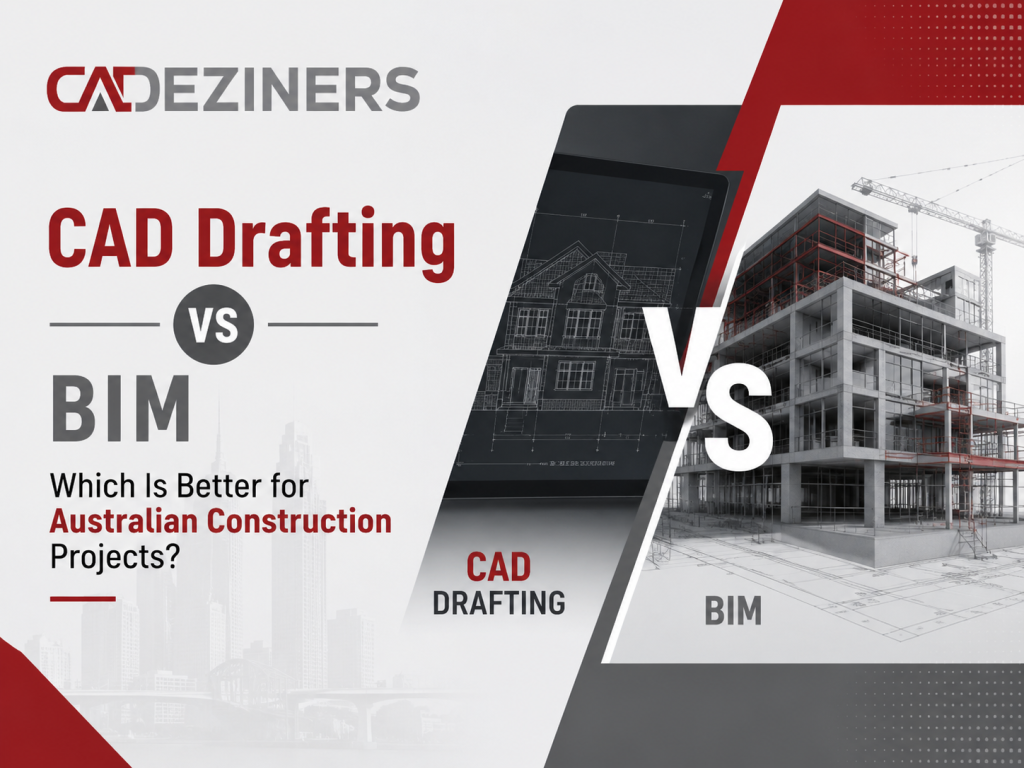
CAD Drafting vs BIM for Construction Projects in Australia22 May 2026
-
 Top 10 Industrial Applications of 3D Printing and Their Benefits15 May 2026
 -
Minimum Wall Thickness for SLA 3D Printing: Design Guide 202608 May 2026
Categories
- Blogs
- 3D Printing Articles
- 3d Scanning Articles
- Cad Drafting Articles
- FEA Services Articles
Frequently Asked Questions
Find answers to common questions
A product development company transforms product ideas and concepts into functional, engineered, and manufacturable products through design, CAD modelling, prototyping, engineering, and manufacturing support.
Product development can include concept development, product design, CAD modelling, prototyping, testing, refinement, and manufacturing preparation. The exact stages depend on the product and project requirements.
Prototyping provides a physical version of the design which can be tested for fit, function, appearance, ergonomics, and other aspects before product production.
Yes. Current components can be redesigned or improved through CAD modelling, 3D scanning, and reverse engineering depending on the information and project requirements.
Yes. CAD Deziners can do CNC machining, 3D printing, injection moulding, and sheet metal fabrication.
Product development as well as manufacturing are in complete agreement in producing our products together.
No. You can contact a development company with an early concept or sketch, existing component, or basic product needs.
The development team can help you decide what needs to happen next.
Start Your Product Development Journey With CAD Deziners
A successful product doesn’t happen because an idea is good. It requires thoughtful design, engineering, testing and a manufacturing strategy that is to meet its intended application.
If you’re looking for a product development company in Australia, CAD Deziners can help you in the process of turning an idea into a product.
Whether you need product development services, CAD design, 3D scanning, reverse engineering, prototyping or manufacturing support, you can discuss your requirements with our team.
Have a product idea or an existing component that needs development? Contact CAD Deziners today and let’s discuss how we can help move your project from concept towards a production-ready solution.