
Industrial 3D Scanning Service for Precision Engineering and Product Development
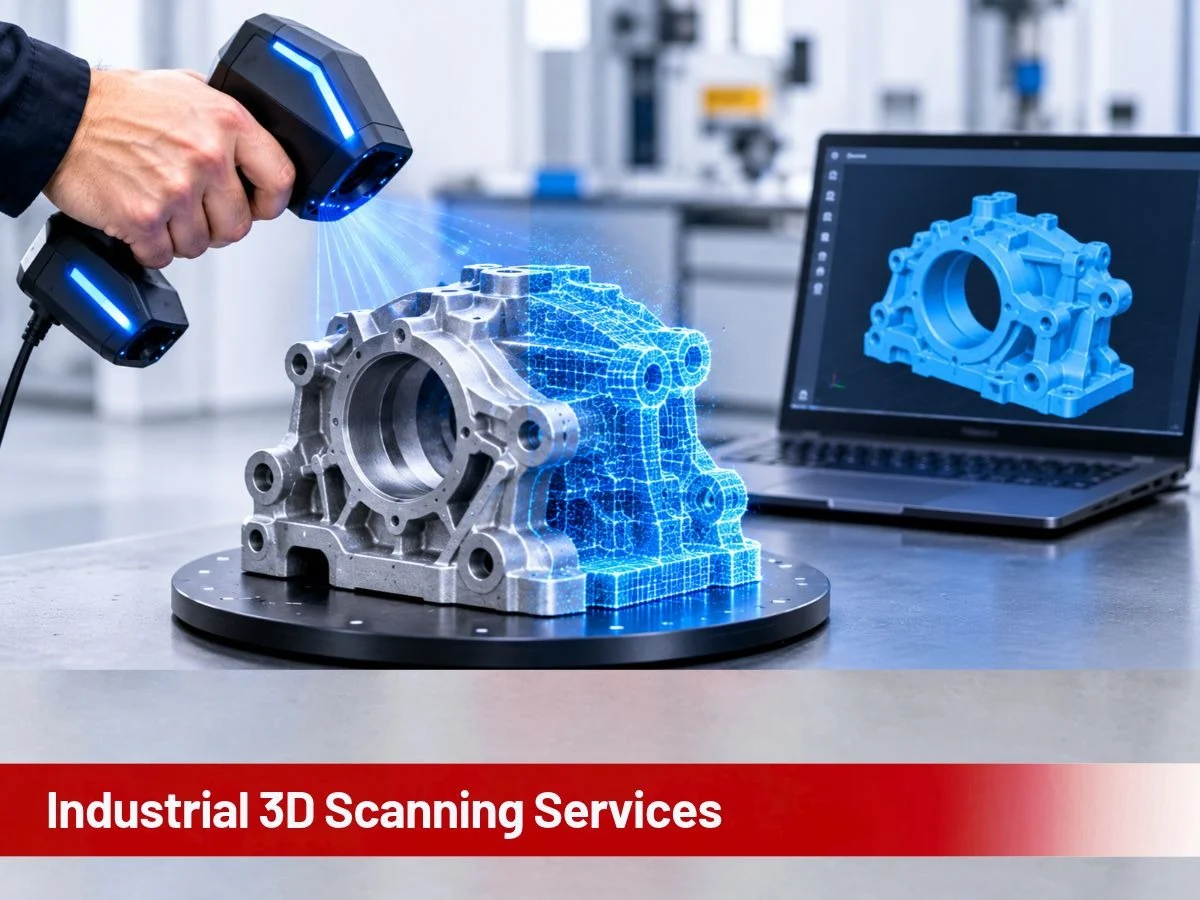
An industrial 3D scanning service reads the shape of a part, machine or structure as millions of measured points so engineers have digital records to design from, inspect against and manufacture with.
For Australian businesses working to tighter tolerances and tighter deadlines that accuracy takes guesswork out at every stage of development. This guide shows how it works where it delivers most value and what to look for in a provider.
How 3D Scanning Captures Real-World Geometry
Scanners shine laser lines or structured light on a surface and record how that light returns (a dense point cloud of measured coordinates). Software then turns this into a polygon mesh or parametric CAD model.
Handheld scanners work best for hard to reach parts, tripod mounted laser scanners take large assets (vehicles, plant equipment etc) in one session. Data created describes an object as it exists today not as old drawing says was built. Since scanning is non-contact, delicate or hot components can be measured without damage.
Where Precision Engineering Gains the Most
A dependable industrial 3D scanning service is most valuable in situations like these:
- Reverse engineering: rebuild accurate CAD models for discontinued or undocumented parts so they can be redesigned, remanufactured or improved.
- Quality inspection: overlay scan data on the nominal CAD model and see deviations as a colour map, ideal for first-article checks.
- As-built documentation: record installed plant, vehicles and structures before retrofits, so new components fit real conditions.
- Tooling and fixtures: confirm moulds, jigs and dies match their intended geometry before expensive machining begins.
- Wear analysis: measure worn or damaged components to decide whether to repair, rebuild or replace.
From Scan to Finished Product
Scanning isn’t the end of the job — it’s just the first step in a faster cycle time. A scanned part becomes CAD geometry engineers can edit, check with finite element analysis then send straight to prototyping (SLA, SLS Multi Jet Fusion FDM or metal 3D printing). Teams scan hand-sculpted or clay models too so designers work in physical medium but still have digital files ready for production.
Bringing industrial 3d scanning service with CAD design and prototyping together on one team keeps data consistent from capture to production and reduces design iterations.Fewer iterations mean shorter lead times and lower development costs.
Industries Across Australia That Rely on Scanning
Demand comes from every corner of Australian industry.
- Automotive: teams scan components so accessories and replacement parts fit first time;
- Manufacturers: check tooling & finished goods against nominal CAD models;
- Aerospace & defence: projects need accurate geometry for display models & fitted components;
- Mining & marine: operators use an industrial 3D scanning service onsite to measure worn equipment so repair decisions can be made without long shutdowns or dismantling.
Accuracy, Speed and Cost Benefits
Measuring by hand with callipers and templates is slow; freeform curves hard to measure.
Scanner scans the entire surface in minutes (hours depending on size), permanent digital archive so can go back whenever question arises. Scanning also shortens site visits because data is only captured once and analysed back at the office — that record reduces rework; prevents fitment errors; gives quality teams objective evidence not opinion.
If no drawings survive for a project scanning may be the only practical way to get a usable model.
What to Look for in a Provider
Not every supplier delivers the same value. Consider these points before you commit:
- Suitable equipment: handheld and laser systems matched to your part size and tolerance.
- Usable deliverables: editable CAD models, meshes and inspection reports, not just raw point clouds.
- Industry experience: familiarity with your sector’s standards and challenges.
- End-to-end capability: design, FEA and 3D printing available in-house to avoid handovers.
- Clear communication: transparent quotes, realistic timelines and secure handling of your intellectual property.
Ask whether an industrial 3D scanning service can deliver all of these under one roof; it saves time and protects data quality from the first scan to the final part.
Talk to CADDeziners About Your Project
Our 3D scanning services team service businesses in Sydney, Melbourne, Brisbane and Perth for 3D laser scanning, reverse engineering, as built documentation, CAD modelling and 3D printing. If you have a part to replicate, an asset to document or a prototype to refine, contact us for a tailored quote. Share your drawings, samples or site details and we will recommend the right scanning approach.
Recent Posts
-
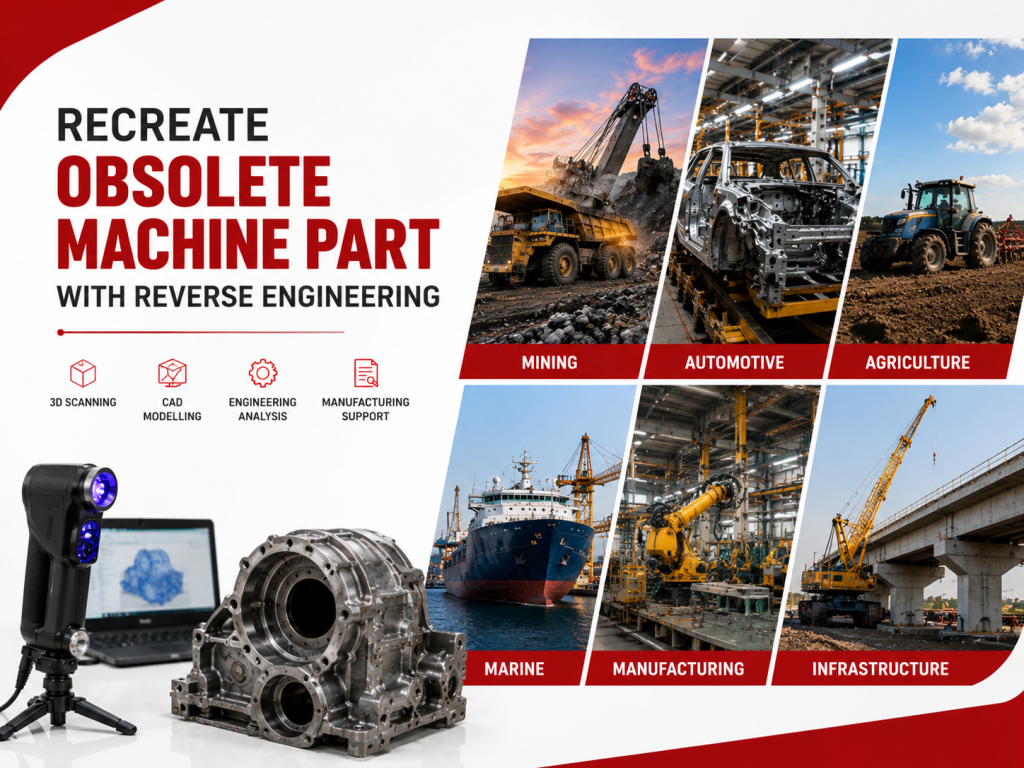
 How Australian Industries Recreate Obsolete Parts with Reverse Engineering03 Jun 2026
-
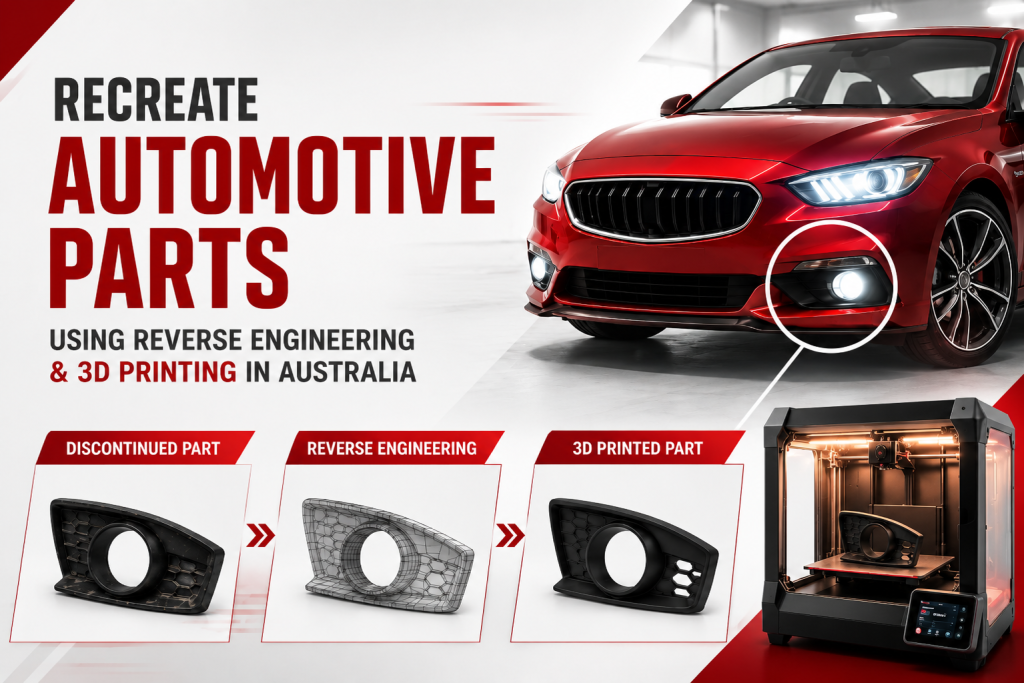
 Reverse Engineering & 3D Printing for Automotive Aftermarket Parts29 May 2026
-
CAD Drafting vs BIM for Construction Projects in Australia22 May 2026
-
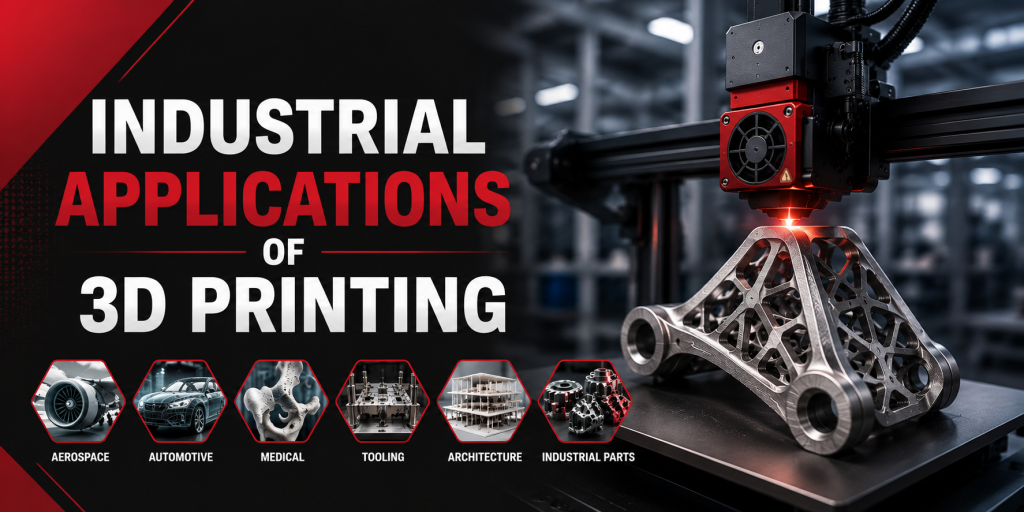
 Top 10 Industrial Applications of 3D Printing and Their Benefits15 May 2026
-
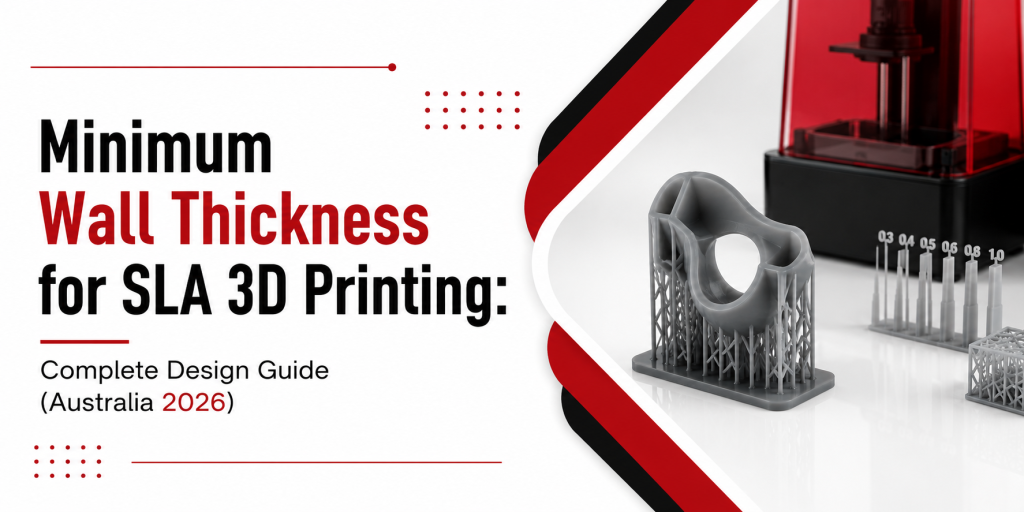
Minimum Wall Thickness for SLA 3D Printing: Design Guide 202608 May 2026
Categories
- Blogs
- 3D Printing Articles
- 3d Scanning Articles
- Cad Drafting Articles
- FEA Services Articles