
How CADD Drafting Improves Precision Across Major Industries
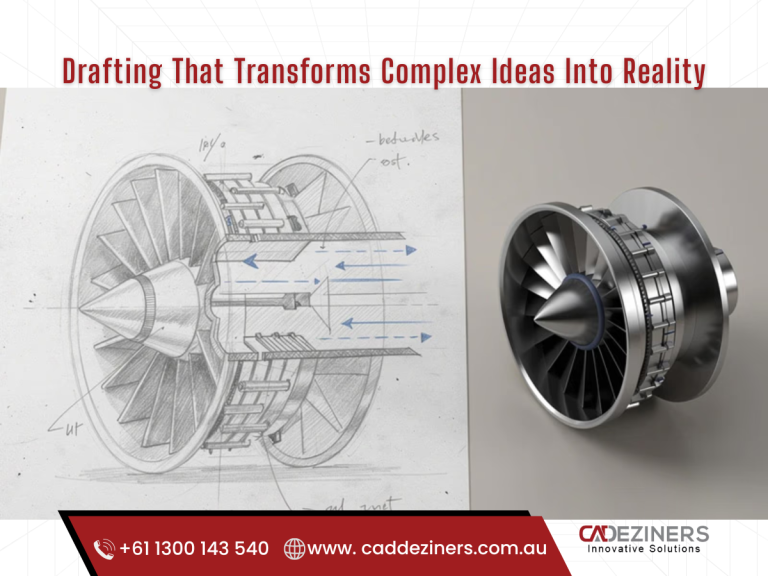
CADD drafting, also known as Computer-Aided Design and Drafting, is now an important part of designing and manufacturing new products. CAD Designers brings ideas to life with unmatched accuracy in fields where speed, accuracy, and compliance are important.
CADD makes sure that designs are detailed, standardised, and ready for production, whether they are for medical devices, workplace equipment, or parts for aeroplanes.
What Is CADD Drafting and Why Does It Matter?
Using special tools, CADD drafting is the process of making accurate technical drawings. These drawings show the sizes, materials, tolerances, and instructions of how to put the parts together.
Instead of drawing by hand, CADD offers digital clarity and consistency.
Some important benefits are:
- Exact measurement of sizes
• Simple changes to the design
• Teams should work together better
• Shorter times for approval and production
CADD drawing reduces guesswork and ensures high-quality designs.
CADD Drafting in the Aerospace Industry
Precision and rules are crucial in aircraft engineering. Even a small mistake in the planning can have big effects.
With CADD drafting, aircraft teams can:
- Make very thorough drawings of parts
• Keep a tight grip on tolerance
• Make sure that flight rules are followed
• Support design buildings that are strong but light
CADD also makes it easy to connect simulation and testing tools, which lowers the cost of making real prototypes.
Common uses of CADD in aircraft include: - Parts of aircraft structures
• Parts for engines
• Plans for wiring harnesses
• Drawings for assembly and installation
CADD Applications in Automotive Design
Speed, scalability, and low costs are very important in the auto business. From the idea stage to mass production, CADD drawing is a key part of the process.
It is used by auto teams to:
- Carefully plan the parts of a car
- Keep models consistent with each other
• Shorten the time it takes from planning to production
• Make it easier for the planning and manufacturing teams to work together.
CADD lets you make quick changes without having to start from scratch because it updates models often and lets you make custom variations.
Important areas of car drafting are: - Layouts of body parts and chassis
- Parts of the engine and gearbox
- Schematics of electrical systems
• Drawings for making and putting things together
Importance of CADD Drafting in Healthcare
When designing for healthcare, safety, dependability, and following the rules are very important. Medical gear and gadgets have to meet strict rules.
It helps companies that make medical equipment by:
- Making very detailed drawings of devices
• Encouraging people to follow medicine rules
• Checking the accuracy of the plan for comfort and function
• Cutting down on mistakes in factory paperwork
Short, clear writing makes it easier for engineers, clinicians, and producers to work together.
Common uses in healthcare include: - Medical devices and instruments
• Tools for diagnosing
• Furniture for hospitals
• Artificial limbs and implants
Role of CADD in Modern Manufacturing
To cut down on waste and boost output, manufacturing relies on clear directions. CADD drafting is the basis for output that works well.
CADD is used by manufacturers to:
- Make clear drawings for production and assembly
• Make better plans for how to use materials
• Cut down on mistakes and extra work - Make sure all sites use the same paperwork.
CAM and CNC machining tools can also be linked to CADD.
The usual results of industrial drafting are: - Drawings of parts and assemblies
• Layouts for sheet metal
• Designs for tools and fixtures
• Documentation for the bill of materials
CADD Drafting for Quality Control and Compliance
Quality assurance depends on being able to track and be consistent. With Caddeziners, every part of the design is recorded correctly.
Some benefits for quality and safety are:
- Specifications for clear tolerances
- Drawing styles that are all the same
• Version control and changes are easy to make.
• Better help with audits and inspections
This is very helpful in regulated fields like healthcare and aircraft.
Conclusion
Today’s engineering processes depend on cadd drafting to make sure that everything is done correctly, quickly, and consistently. It simplifies complex ideas into risk-free production documentation for aerospace, automotive, healthcare, and industrial industries. CADD helps firms manufacture safer goods, fulfil deadlines faster, and enhance quality by reducing errors, improving collaboration, and assisting with compliance. CADD drafting will remain crucial for enterprises that need precision, efficiency, and scalability as technology develops.
Recent Posts
-
 How Australian Industries Recreate Obsolete Parts with Reverse Engineering03 Jun 2026
 -
 Reverse Engineering & 3D Printing for Automotive Aftermarket Parts29 May 2026
 -
CAD Drafting vs BIM for Construction Projects in Australia22 May 2026
-
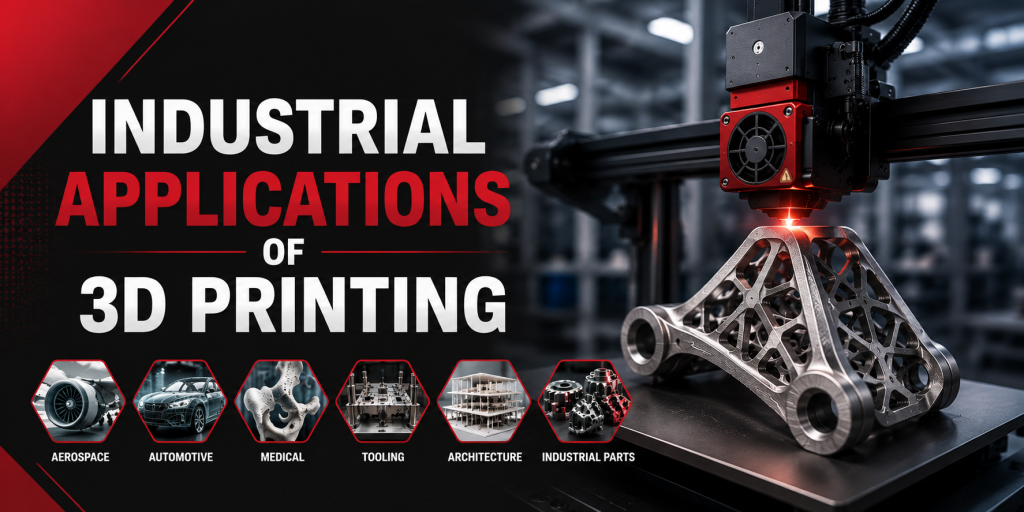
 Top 10 Industrial Applications of 3D Printing and Their Benefits15 May 2026
 -
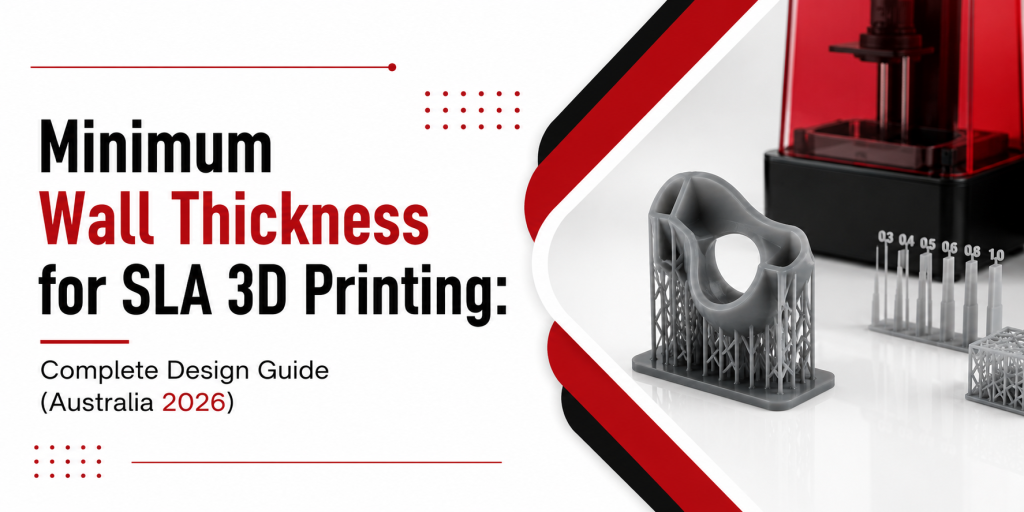
Minimum Wall Thickness for SLA 3D Printing: Design Guide 202608 May 2026
Categories
- Blogs
- 3D Printing Articles
- 3d Scanning Articles
- Cad Drafting Articles
- FEA Services Articles
Frequently Asked Questions
Find answers to common questions
CAD is used to make designs, and CADD is used to make exact technical drawings for building and manufacturing.
Yes, along with 3D models, CADD drawings are needed for manufacturing, compliance, and clear paperwork.
CADD drafting is used a lot in aerospace, automotive, healthcare, manufacturing, building, and electronics.
Yes. Correct drawings help avoid misunderstandings, extra work, and expensive mistakes during production.
Yes, ISO, ANSI, ASME, and other world drafting standards are used in CADD drafting.