
Custom 3D Printed Fidget Toys: From Concept to Finished Product
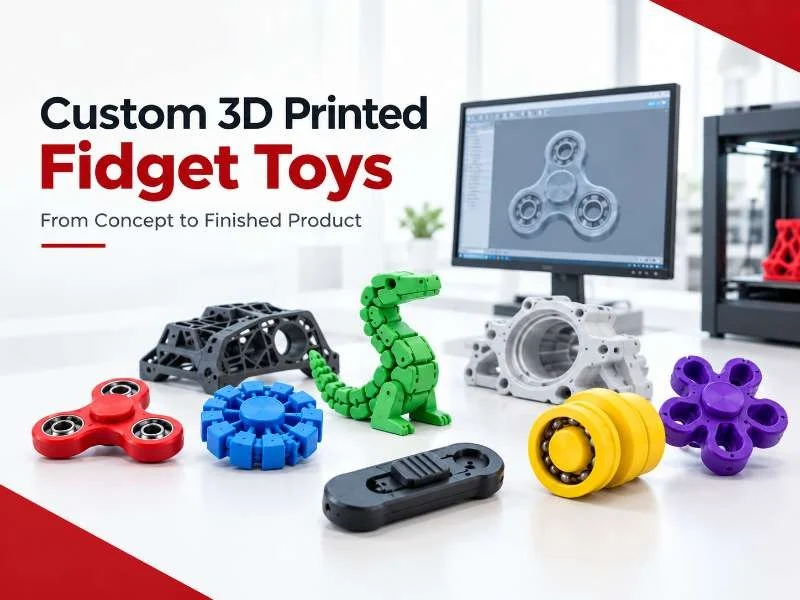
Fidget toys are popular because they have interactive designs, tactile features and everyday entertainment value — spinning mechanisms and clicking buttons; flexible shapes and moving parts etc. Products like this allow creative product development opportunities — businesses, designers, entrepreneurs can develop original ideas into physical products without buying tooling first (3D printed fidget toys).
If Australian businesses want to design a fidget toy that is unique to them then 3D printing lets you test shapes and mechanisms, sizes and materials before moving production. CAD design, prototyping and manufacturing expertise can turn an idea into a practical customised product.
What Are 3D Printed Fidget Toys?
3D printed fidget toys are products made by building up an object layer by layer from a digital 3D model. They may have rotating parts, articulated structures, textured surfaces, sliders and other features to facilitate hands-on play.
Off-the-shelf products can’t be custom designed around requirements (shape, branding, dimensions, movement or audience). Custom designs can be built around requirements (shape, branding, dimensions, movement or audience).
Examples Include:
- Fidget spinners: Rotating designs with custom shapes and configurations.
- Fidget toys: Rotating devices with customised shapes and configurations..
- Articulated fidget toys: Flexible-looking figures and segmented structures with movable joints.
- Clicking and sliding toys: Small mechanisms based on buttons, sliders or other tactile input.
- Geometric fidget toys: Shapes, interlocking patterns and textures.
- Branded promotional toys: Products customised with a company logo, colours or design elements.
The best design depends on how the toy will be used; what kind of interaction is desired; how it is made.
How to Develop a Custom Fidget Toy from Concept to Finished Product
Printing an attractive shape isn’t enough — the design has to take movement into account, behaviour of materials, assembly and use.
1. Build the Initial Concept
Start with an idea, sketch, reference image or existing product that needs changing. What makes this toy different from others? Does it rotate? Click? Bend? Slide? Connect to other parts?
At this point you need to know who will use the toy (approximate dimensions), what it will do (functionality) and how many of them you want to produce (quantity). These things give direction to the design.
2. Create the 3D CAD Model
A digital model takes the concept and turns it into geometry that can be manufactured. CAD modelling allows designers to adjust dimensions, check component relationships and plan moving mechanisms before printing (a custom spinner needs a central rotating feature; an articulated toy needs clearances between connected segments).
A good CAD model tells you what limitations you have in design early on so no needless trial and error is done. If you only have sketch or physical reference available then product design and reverse engineering support may also help develop a suitable digital model for you too.
3. Pick the Right Technology
The method of printing decides surface finish, detail, materials available and component design — different technologies are suited to different needs:
- FDM 3D printing: Cheap prototypes, simple shapes and functional plastic parts
- SLA 3D printing: Detail designs smooth surfaces (resin used)
- SLS 3D printing: Complicated geometries and functional nylon parts where application supports chosen material
- MJF 3D printing: Detail functional polymer parts (and repeatable small runs) might be an option too
Method is determined by design, performance required quantity and budget. Not every technology works for every toy mechanism.
4. Choose Suitable Materials
Material choice affects durability, flexibility, surface quality and how the toy feels in the hand — PLA or other suitable thermoplastics for prototypes; ABS for some functional components; nylon for some complex parts; resins (specialized) for detail models etc.
Flexible materials may be OK if design requires deformation but material must match intended use of the product. If a toy is for young children Australian product safety requirements apply; small-part hazards; suitability of material and testing before sale required?
5. Prototype, Test and Refine
First print lets you see how the physical design works. Check parts fit together correctly, moving features work as expected and surface finish is OK (wall thickness may need adjusting; clearances, joint geometry or overall dimensions); compare options before committing to a larger batch.
The iterative process works well for custom fidget toys with moving parts or mechanisms too.
Benefits of Custom 3D Printed Fidget Toys for Australian Businesses
Custom manufacturing has practical benefits for product developers and businesses too:
- Shape flexibility — No standard products have details or mechanisms like that.
- Faster iteration of design — Physical prototype made, tested and refined model before further development.
- Fewer upfront tooling requirements — For prototypes and low volume orders 3D printing doesn’t require dedicated moulds needed in some processes.
- Small batches developed — Try small quantities, variations on product or early stage concepts before deciding if production at scale is viable.
- Custom branding — Promotional products or branded concepts with unique geometry and design features.
Costs and lead times vary based on part size complexity material printing technology finishing order quantity.
Why CAD Design Matters Before 3D Printing
A pretty model doesn’t make a product (thin parts break; clearances too tight stop movement; poorly designed joints affect assembly).
CAD and product development support helps with these issues before manufacturing so it can be prepared for the printing process, production problems spotted early on, transition from concept to physical prototype improved etc.
For businesses developing a range of products this design-led approach gives them a structured way of evaluating ideas and making informed manufacturing decisions.
Turn Your Fidget Toy Idea into a Physical Product
Whether you’re developing a new fidget spinner, an articulated toy, tactile mechanism or branded promotional product it all starts with a good idea and good digital design.
CAD Deziners supports product development CAD design and multiple 3D printing technologies across Australia. If you have CAD file sketch reference part or early stage concept contact the team so we can discuss requirements material options manufacturing approach quotation come
Visit CAD Deziners to discuss your project. Our 3d printing services can help you explore suitable options for prototyping and custom component production, from the initial design through to a finished printed part.
Recent Posts
-
 How Australian Industries Recreate Obsolete Parts with Reverse Engineering03 Jun 2026
-
 Reverse Engineering & 3D Printing for Automotive Aftermarket Parts29 May 2026
-
CAD Drafting vs BIM for Construction Projects in Australia22 May 2026
-
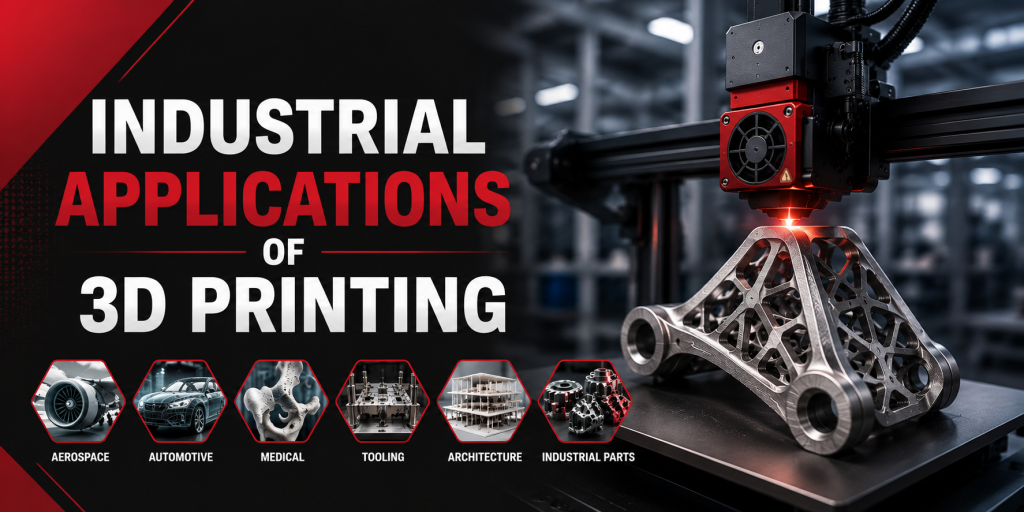
 Top 10 Industrial Applications of 3D Printing and Their Benefits15 May 2026
-
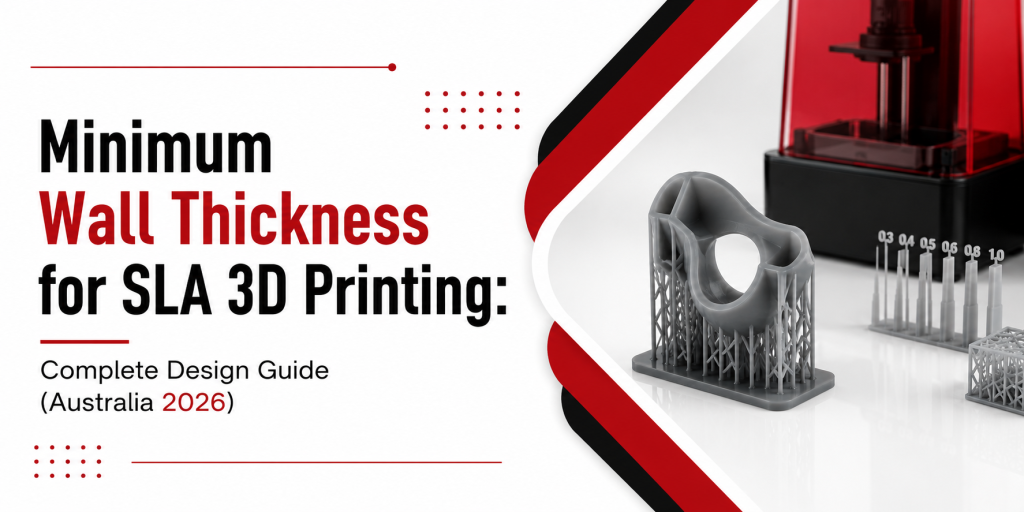
Minimum Wall Thickness for SLA 3D Printing: Design Guide 202608 May 2026
Categories
- Blogs
- 3D Printing Articles
- 3d Scanning Articles
- Cad Drafting Articles
- FEA Services Articles