
How 3D Printing Prototyping Drives Australia’s Manufacturing Growth
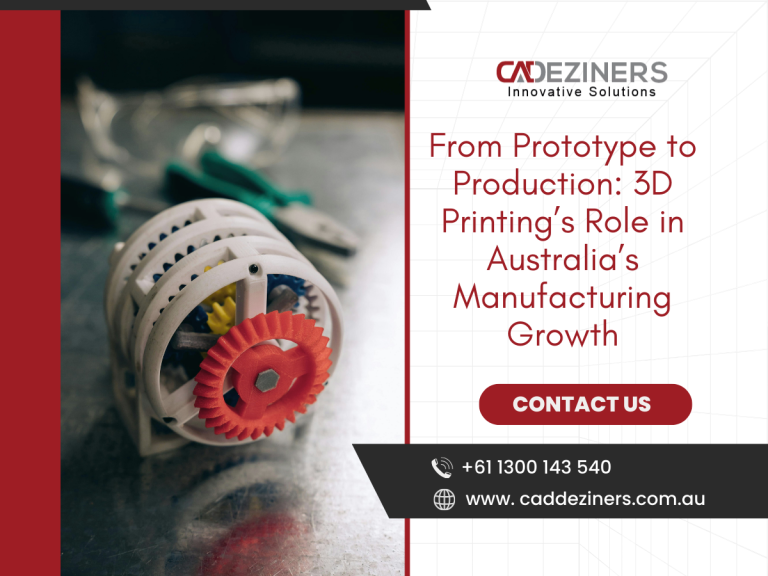
By 2026, Australian sophisticated manufacturing will alter drastically. This rise is driven by 3D Printing Prototyping services. These services help businesses save money, get new ideas faster, and improve their products. Rapid prototyping helps Australian startups and large firms compete in the global production market.
Australia’s manufacturing sector is changing due to the emergence of 3D Printing Prototyping Services. This service allows for greater innovation among firms, giving them an opportunity to compete globally by creating quality products at relatively low prototyping costs.
What Role Do 3D Printing Prototyping Services Play in Modern Manufacturing?
With 3D printing development, businesses can quickly make models from their digital ideas. Standard tools and long production times are not needed as much with this quick turn-around.
Here are a few important benefits:
- Ideas can be tested and confirmed more quickly
- Not as much waste of resources as with old methods
- Able to change big plans before they happen
This helps Australian firms respond swiftly to market developments and customer feedback.
How Is Rapid Prototyping Accelerating Product Development Cycles?
In the old way, making a sample could take weeks or months. With 3D printing, you can make lots of changes very quickly.
These faster speeds help businesses:
- Look for mistakes in the plan early on
- Put the item to the test to make it work better.
- Get more new products on the market more quickly
This means that companies in Australia can make new products faster while still meeting high standards for quality and performance.
Why Are Australian Manufacturers Adopting 3D Printing for Cost Efficiency?
People are using 3D Printing Prototyping services more and more because they save them money. These services get rid of the need for expensive moulds and tools in the early stages of growth.
Some benefits that are related to costs are:
- It costs less up front to make a prototype.
- Redesigning costs less
- Making things as people need them without keeping too much in stock
New businesses and old businesses that want to cut costs and come up with new ideas can both use this process.
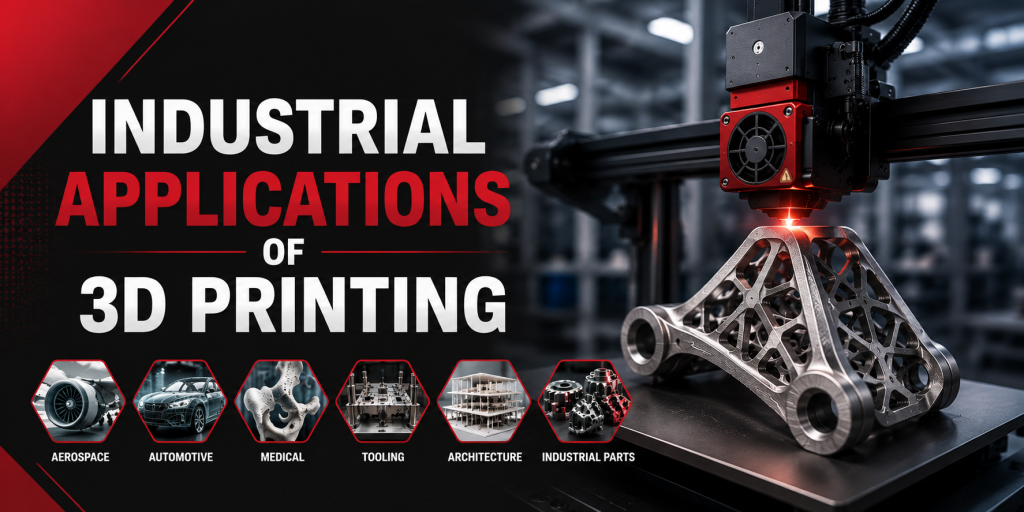
Which Industries in Australia Are Gaining the Most from 3D Prototyping?
Advanced modelling technologies make a huge difference in a lot of different areas.
The sectors with the most growth are
- Flight and protection for light, small, complicated parts
- Health and medicine for custom phones and gear
- Car to check shape, fit and performance
- Making jigs, fits, and tools for industry
These fields need to be accurate, flexible, and quick, and 3D modelling does all of these things well.
How Does Local Prototyping Strengthen Australia’s Manufacturing Ecosystem?
It’s not as important to get 3D printer parts from other countries when you can get them locally. This helps the country’s manufacturing business and makes the supply chain more stable.
Some important perks for the environment are
- It takes less time to get samples and extra parts
- Help with research and development andcoming up withnew ideas
- Better ways for artists and manufacturers to talk to each other
The new law makes Australia even more of a free and high-tech industry hub.Conclusion
Australian manufacturers can’t avoid using 3D Printing Prototyping services any longer. Price cuts speed up new ideas, help local output, and make the world more competitive. Adding materials will still be a big part of Australia’s move towards smarter, more durable, and future-ready production in 2026, even though technology is still getting better.
FAQs
How does 3D printing prototyping improve manufacturing innovation?
Companies can quickly make their products better by trying out difficult designs and different versions with 3D printing prototyping. In this way, companies can quickly create new ideas, lower the risks of progress, and bring better goods to market.
Recent Posts
-
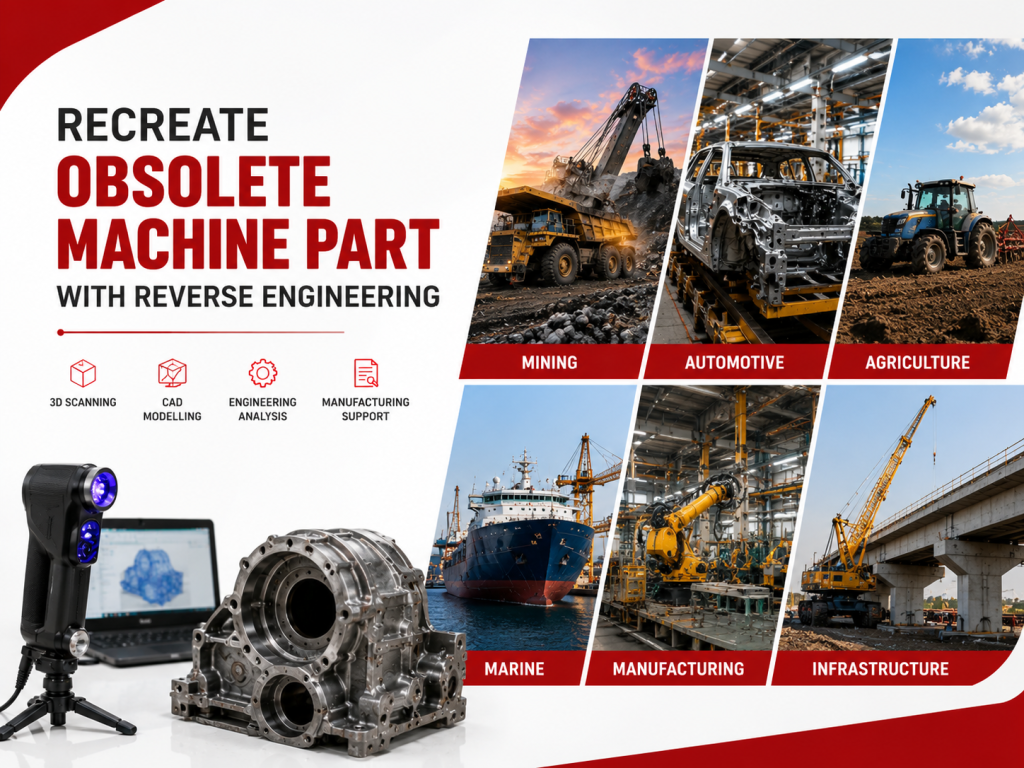
 How Australian Industries Recreate Obsolete Parts with Reverse Engineering03 Jun 2026
 -
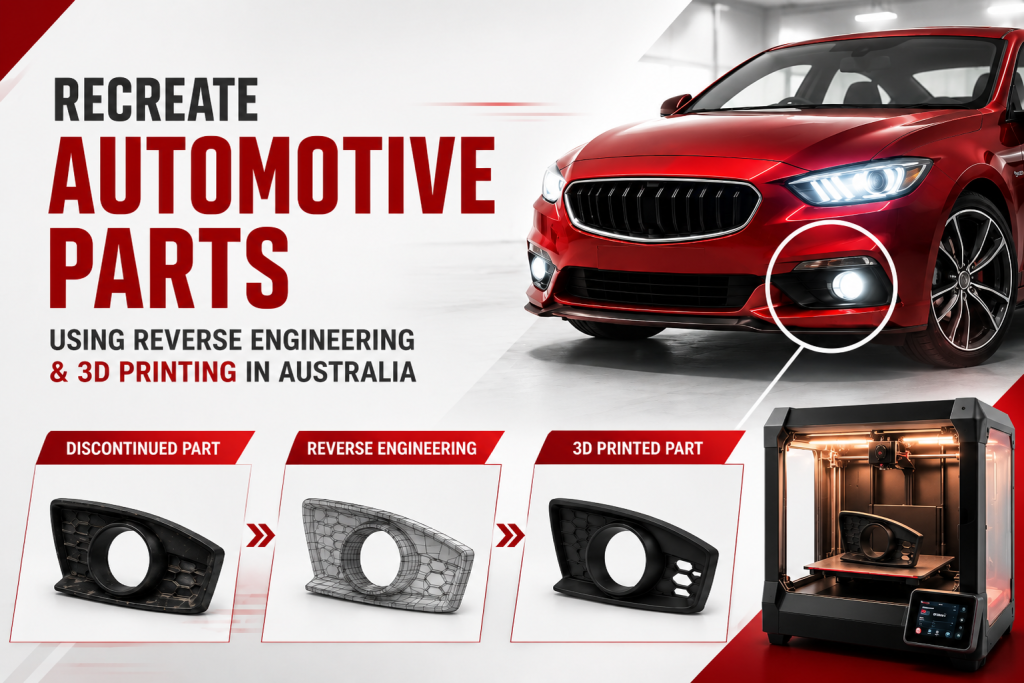
 Reverse Engineering & 3D Printing for Automotive Aftermarket Parts29 May 2026
 -
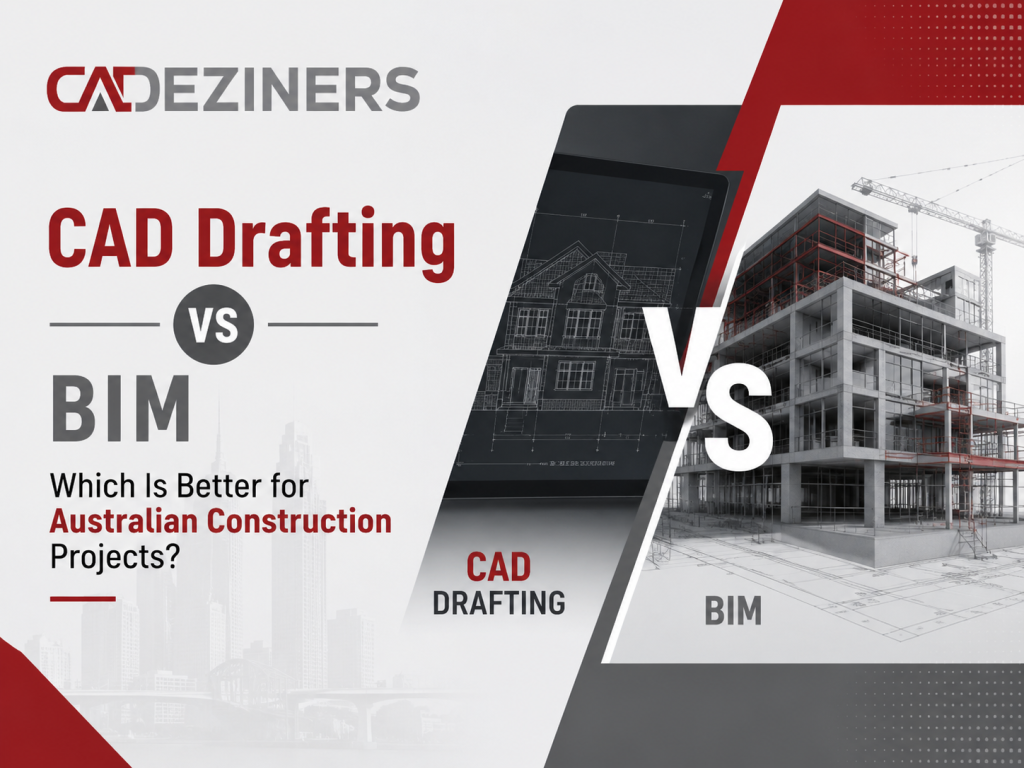
CAD Drafting vs BIM for Construction Projects in Australia22 May 2026
-
 Top 10 Industrial Applications of 3D Printing and Their Benefits15 May 2026
 -
Minimum Wall Thickness for SLA 3D Printing: Design Guide 202608 May 2026
Categories
- Blogs
- 3D Printing Articles
- 3d Scanning Articles
- Cad Drafting Articles
- FEA Services Articles