
Professional 3D Printing Services in Melbourne for Engineering, Prototyping & Manufacturing
From CAD model to physical part, we help Australian businesses turn digital designs into accurate prototypes, functional components, display models and low-volume production parts.
24 Hrs Express Printing
Fast
Turnaround
In-House Manufacturing
Wide Range of Materials

Top-Quality Printers
Professional
Team
Australia-Wide Support
Trusted by engineers & purchasing leaders at




















Our 3D Printing Technologies
FDM 3D Printing
Cost-Effective Plastic 3D Printing for Prototypes & Functional Parts
Fused Deposition Modelling (FDM) builds parts by depositing thermoplastic material layer by layer.
We use FDM when the priority is often cost-effective prototyping, quick design validation, larger components, jigs, fixtures and functional parts.
Suitable for:
- Functional prototypes
- Mechanical components
- Jigs and fixtures
- Enclosures
- Brackets
- Large prototypes
- Low-volume parts

SLA 3D Printing
High-Detail Resin Printing for Precision Prototypes & Visual Models
Stereolithography (SLA) uses a light source to cure liquid resin layer by layer.
SLA is particularly useful when your project requires fine details, dimensional accuracy and a smooth surface finish. CAD Deziners’ existing SLA capability is positioned for detailed functional and visual parts, prototypes and low-volume custom components.
Suitable for:
- High-detail prototypes
- Product design models
- Presentation models
- Complex geometries
- Medical models
- Master patterns
- Small detailed components
- Low-volume custom parts

SLS 3D Printing
Strong, Functional Plastic Parts Without Traditional Tooling
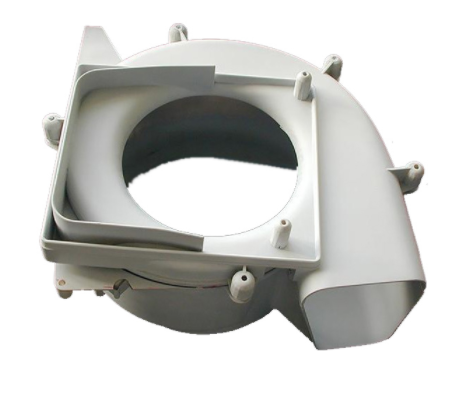
Selective Laser Sintering (SLS) uses a laser to fuse powdered material layer by layer.
SLS is particularly useful for functional prototypes, complex geometries and short-run production where mechanical performance and design freedom are important.
SLS applications
- Functional prototypes
- Engineering components
- Complex housings
- Brackets
- Low-volume production
- Replacement components
- Mechanical assemblies
MJF 3D Printing
Fast, Consistent Production for Functional Plastic Parts
HP Multi Jet Fusion (MJF) is designed for producing functional polymer components with consistent properties and efficient production of multiple parts.
We can consider MJF where the project requires a combination of speed, repeatability, functional performance and production scalability.
CAD Deziners already lists MJF as one of its supported technologies and describes it as suitable for functional prototypes and production volumes.
Suitable for:
- Functional prototypes
- End-use components
- Low-volume production
- Custom housings
- Mechanical parts
- Multiple-part production runs
PolyJet 3D Printing
Fine Details, Smooth Surfaces & Multi-Material Prototypes
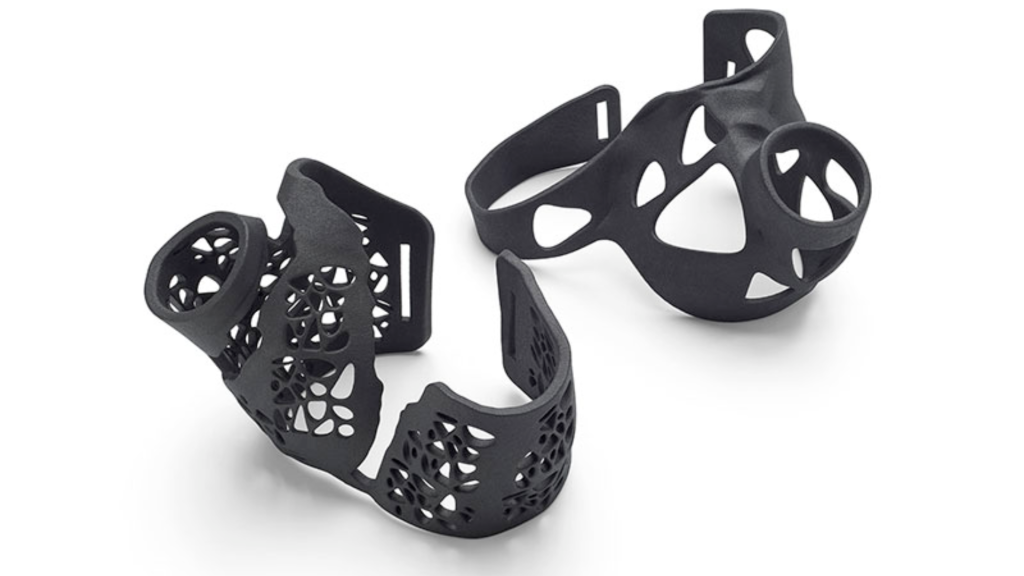
PolyJet 3D printing is useful for projects where appearance, fine detail and complex prototype requirements are important.
This is particularly valuable when a prototype needs to communicate shape, appearance and design intent before moving into production.
Your existing website already lists PolyJet as one of CAD Deziners’ technologies.
It can be considered for:
- Product prototypes
- Detailed models
- Consumer product development
- Multi-material concepts
- Visual prototypes
- Presentation models
- Small complex components
Metal 3D Printing Melbourne
Complex Metal Components for Engineering & Advanced Manufacturing
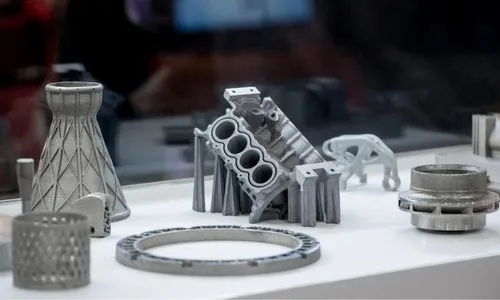
For projects that require metal components, metal 3D printing can produce geometries that may be difficult, expensive or impractical to manufacture using conventional methods.
CAD Deziners’ existing service information references materials including titanium, aluminium and stainless steel for metal 3D printing.
Depending on the application, material requirements and design, metal additive manufacturing can be considered for:
- Automotive components
- Aerospace parts
- Engineering prototypes
- Medical components
- Custom tooling
- Complex geometries
- Lightweight components
- Low-volume metal production
Our 3D Printing Process
At CAD Deziners, we combine 3D printing technology with engineering, CAD design, product development and manufacturing knowledge. Whether you need one prototype or a batch of custom components, we help select the appropriate printing process, material and finishing approach for your application.

Share Your Requirements
Send us your CAD file, 3D model, drawing or part details. Tell us your material, quantity and application requirements.
Engineering & Technology Selection
We review your design and recommend the right 3D printing technology, material and finishing options for your project.
Quote & Approval
Receive a tailored quote based on your design, material, quantity and production requirements. We begin once you approve.
3D Printing & Finishing
We manufacture your parts using the selected process, with post-processing such as support removal, sanding or finishing where required.
Quality Check & Delivery
We inspect your finished parts against the agreed requirements and prepare them for collection or delivery.
Precision Manufacturing Applications for Every Industry
Our B2B 3D printing solutions can support a wide range of industries.

Automotive
Prototype vehicle components, custom parts, brackets, housings and aftermarket components.

Manufacturing
Develop functional prototypes, production aids, replacement components and custom tooling.

Aerospace & Defence
Support complex prototype development and engineering applications where design accuracy and material selection matter.

Mining & Heavy Engineering
Create replacement parts, equipment components, prototypes and custom engineering solutions.

Marine
Develop custom marine components, prototypes, replacement parts and product concepts.
Construction
Create architectural, engineering and scale models, construction components and project-specific prototypes.

Product Development
Move from concept → CAD → prototype → testing → manufacturing.

Medical & Healthcare
Produce detailed models, prototypes and application-specific components where suitable materials and processes are required.
Choose the Right Material for Your 3D Printed Part
From affordable prototypes and detailed resin models to flexible elastomers, engineering-grade plastics, composite materials and metal components, choose a material that suits your part’s strength, flexibility, finish and application requirements.
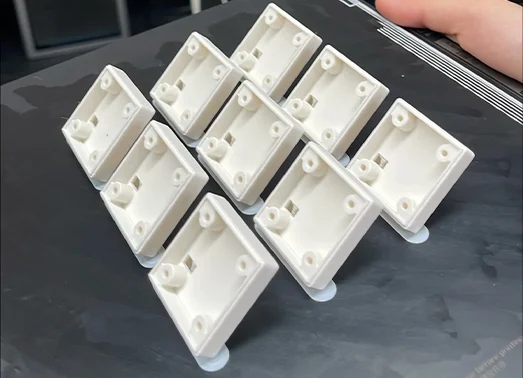
Engineering Plastics
For functional prototypes, housings, enclosures and durable components.
Materials : ABS, ABS M30, ABS-ESD7, ASA, PC (polycarbonate), PETG, Industrial Black ABS-like, Industrial Grey ABS-like, Industrial White ABS-like, Industrial Transparent ABS-like, Industrial Heat-Resistant PC-like.
Resins for Fine Detail
For detailed models, smooth finishes, visual prototypes and selected functional applications.
Materials : Tough Resin, Flexible Resin, Transparent Resin, Industrial Black ABS-like, Industrial Grey ABS-like, Industrial White ABS-like, Industrial Transparent ABS-like, DPR 10, CE 221, EPX 82, FPU 50, where supported by your available processes.
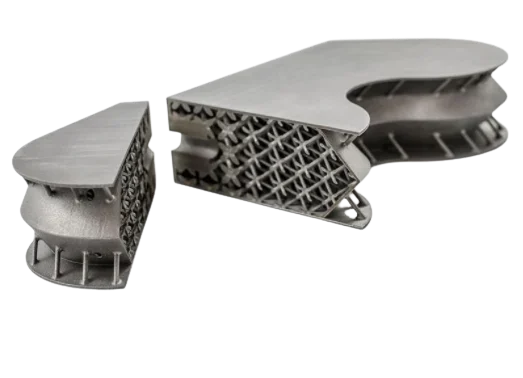
Metal Materials
For specialised engineering applications requiring metal properties, strength and complex geometries.
Materials : Aluminium AlSi10Mg, Stainless Steel 316L, Stainless Steel 17-4PH, Titanium Grade 5 (Ti-6Al-4V), Inconel 718, Cobalt Chrome (CoCr), Tool Steel 1.2709 (MS1).
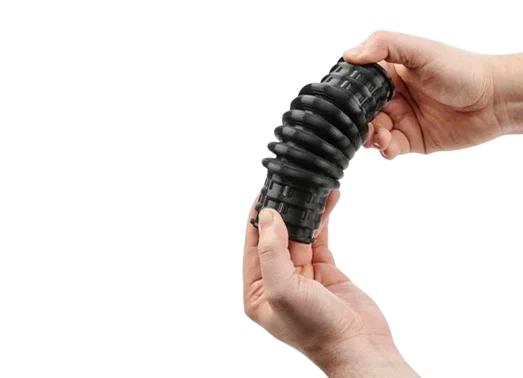
Elastomers & Flexible Materials
For flexible, elastic, impact-absorbing and rubber-like components.
Materials : TPU, Flex TPU, EPU 40, SIL 30, True Silicone, subject to process and supplier availability.
Not Sure Which Material You Need?
Tell us about your part, its operating conditions and intended use. We can help you identify a suitable material and printing process.
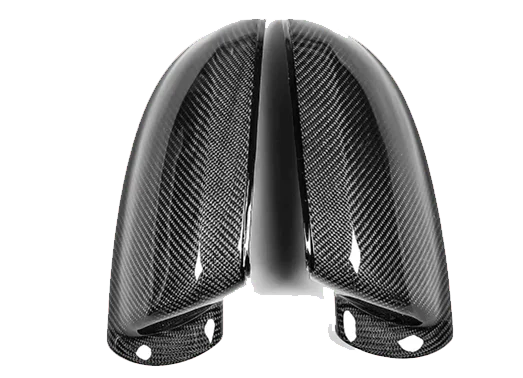
Nylon & Composite Materials
For functional parts requiring strength, stiffness, wear resistance or complex geometries.
Materials : Nylon 11 (PA11), Nylon 12 (PA12), glass-filled Nylon 12, carbon-fibre-filled nylon, Alumide® (aluminium-filled PA12).
From Existing Part or CAD File to Finished Component
Whether you have a ready-to-print design, an old component or just an idea, our team can help move your project towards a manufactured part.
Have a CAD File Ready?
Send us your design for engineering review and a 3D printing quote.
Supported formats
- STEP
- IGES
- STL
- OBJ
- 3MF
- WRL
- ZIP
Starting with a Physical Part?
No CAD file? We can help work from an existing component, damaged part, prototype, sketch or discontinued product.
Engineering support
- Design modification
- CAD modelling
- Reverse engineering
- 3D scanning
One Integrated Engineering Workflow
We bring the right capabilities together to suit your project.
01
Capture & Design
3D scanning, reverse engineering and CAD modelling
02
Refine & Prepare
Design modification and print-ready preparation
03
Print & Manufacture
Suitable 3D printing technology and production
04
Validate & Deliver
Finishing, assembly and testing or validation where required
Have a Part, File or Idea?
Tell us what you need to make. Our team can help identify the next step.
Our Projects
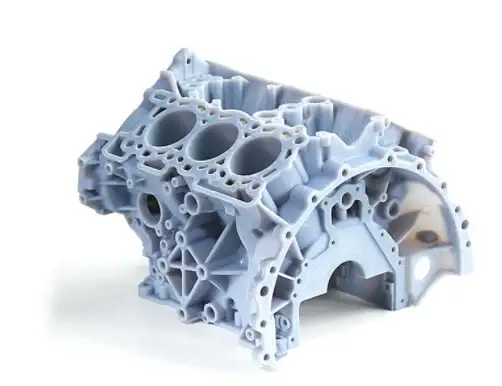
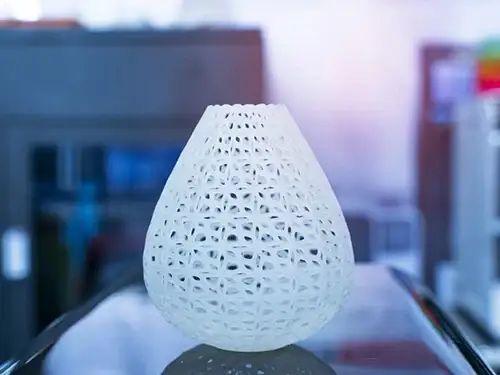
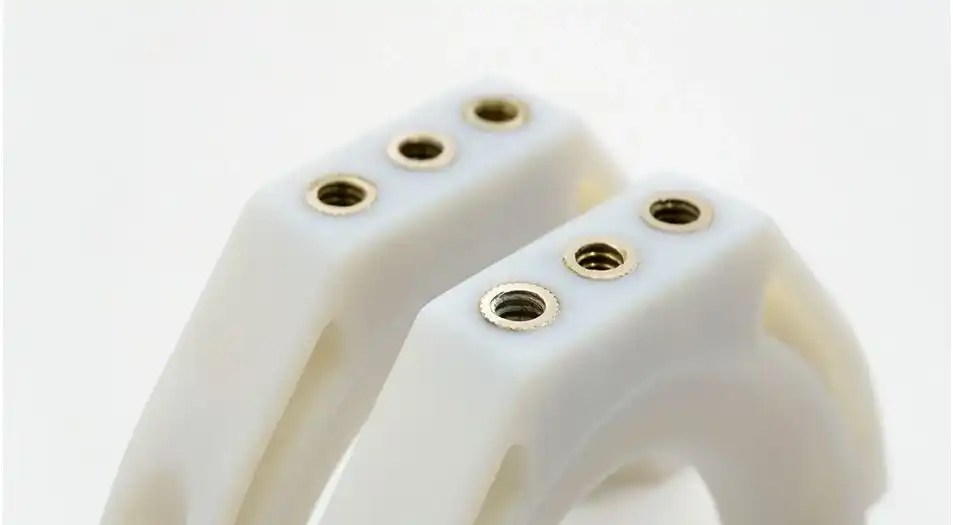
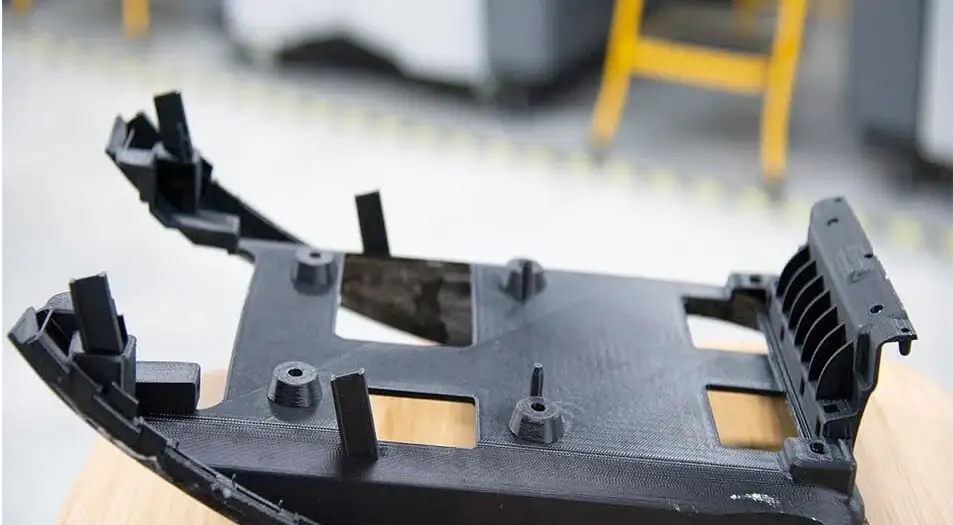
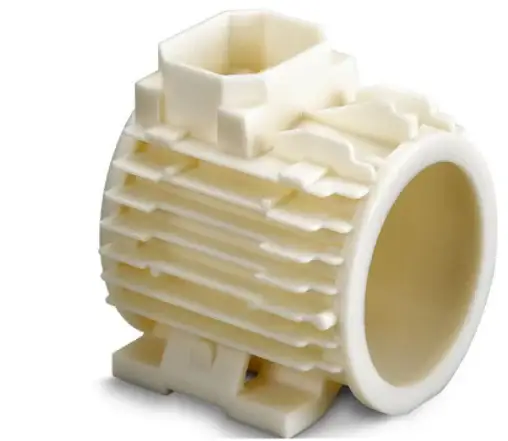
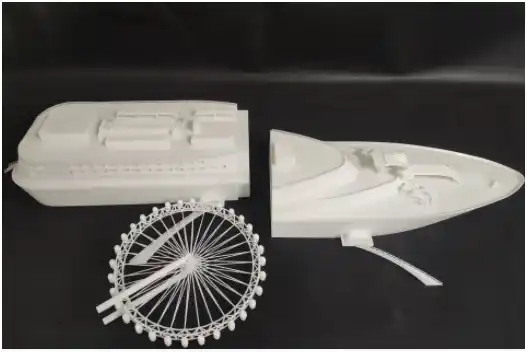
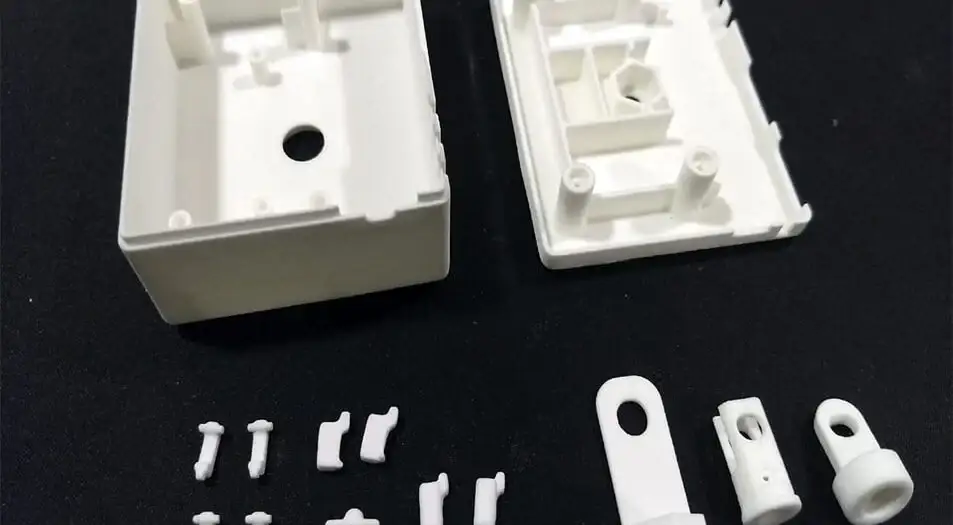
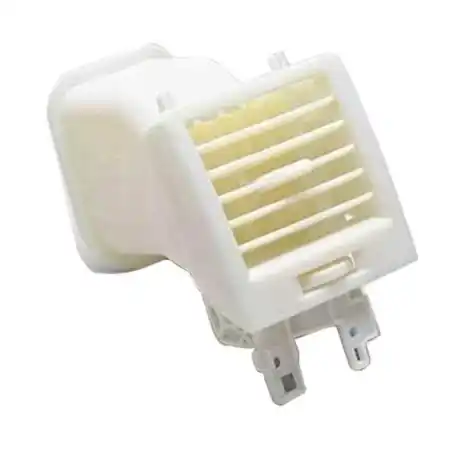
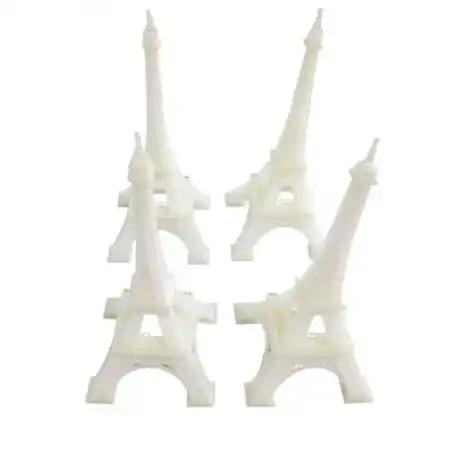
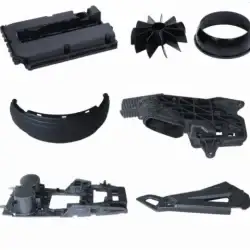
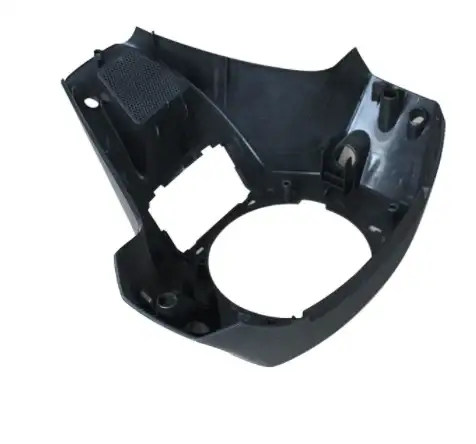
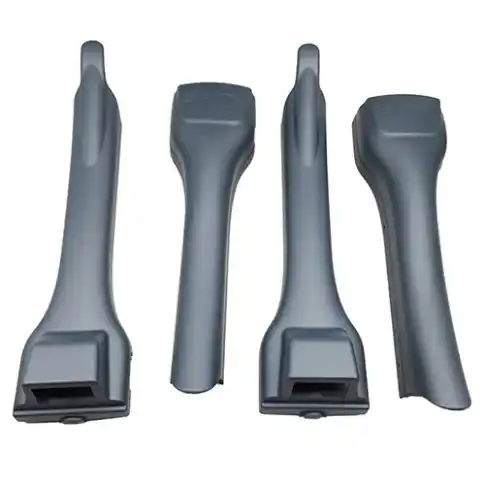
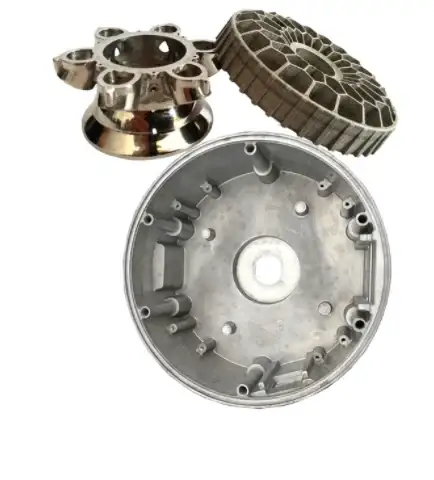
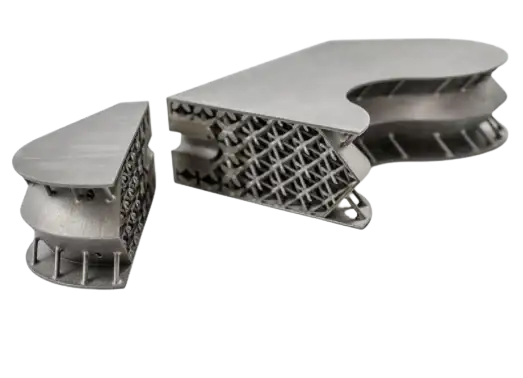
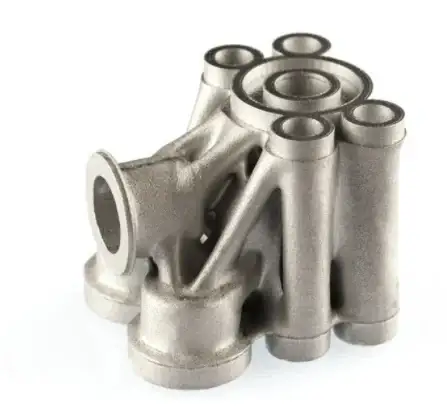
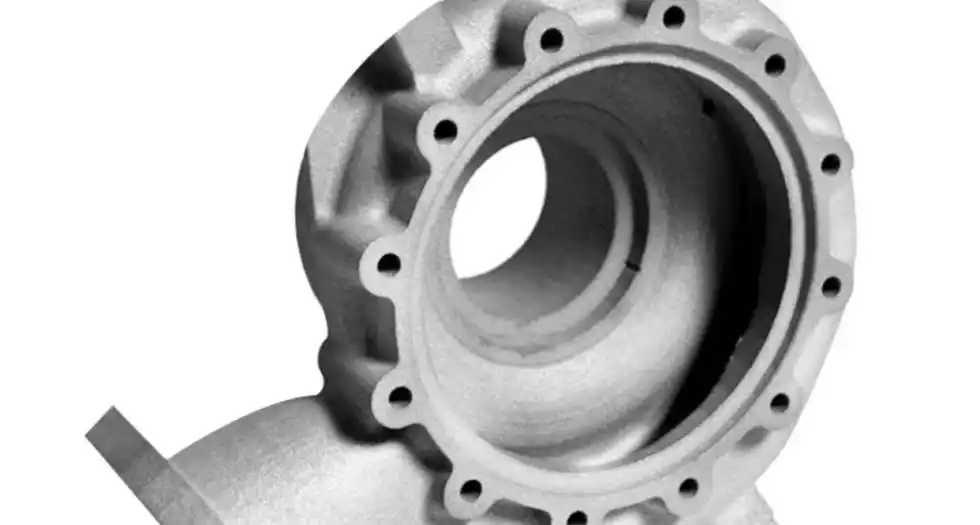
It serves as a visual and tangible representation of completed projects, achievements, and contributions, allowing potential clients, employers, or collaborators to assess capabilities and experience.










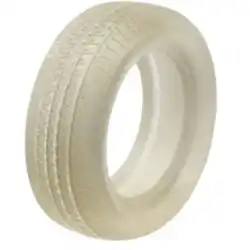

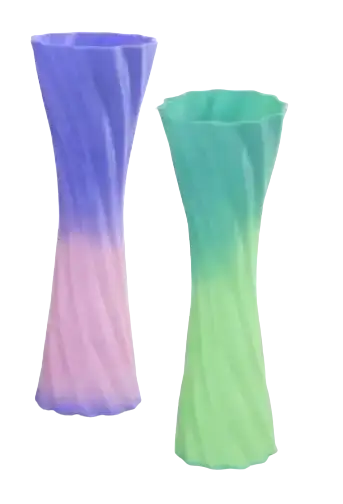
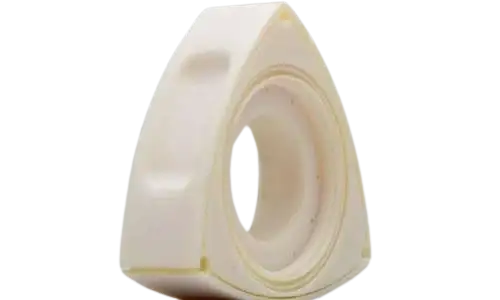
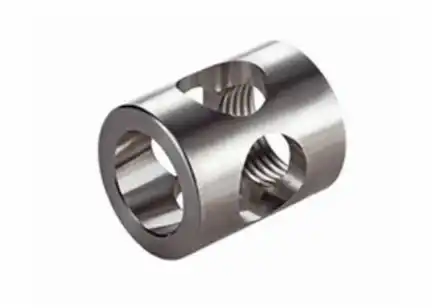


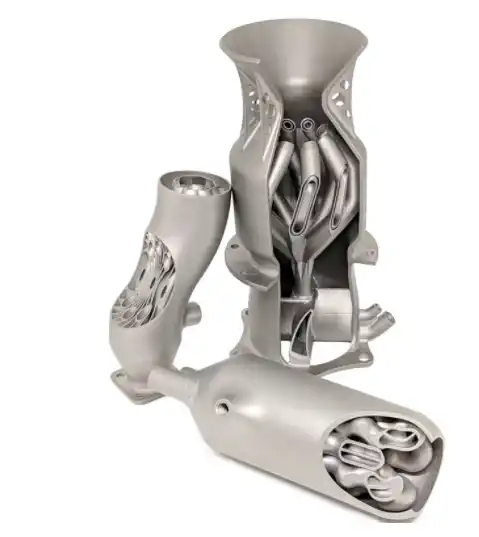
Rapid Prototypes
Validate your product design before committing to tooling or production.
Functional Prototypes
Test fit, movement, assembly and basic functionality using physical components.
Replacement Parts
Recreate obsolete or unavailable components when suitable digital data can be created.
Jigs & Fixtures
Develop customised manufacturing aids to support production processes.
Product Models
Create detailed models for sales presentations, exhibitions and demonstrations.
Low-Volume Production
Manufacture limited quantities without the tooling investment associated with some conventional production methods.
Reverse-Engineered Components
Combine 3D scanning, CAD and 3D printing to reproduce or modify existing physical components.
Case Studies
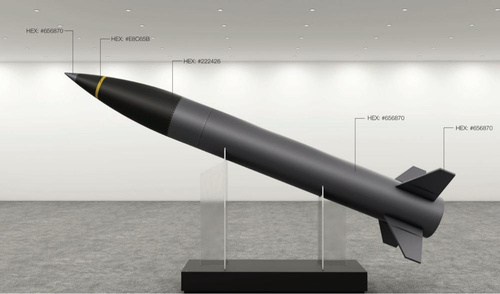
CAD Deziners team has recently completed a project for a defence-sector client. This project involved...
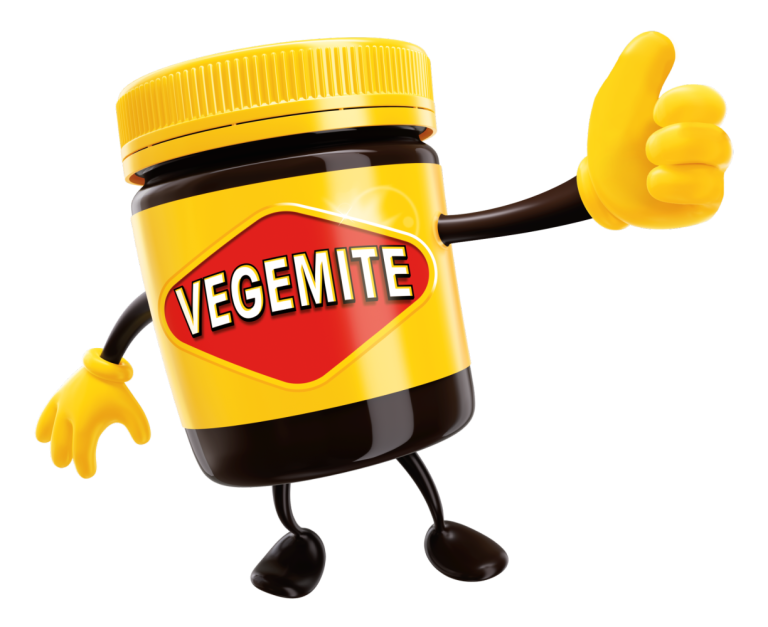
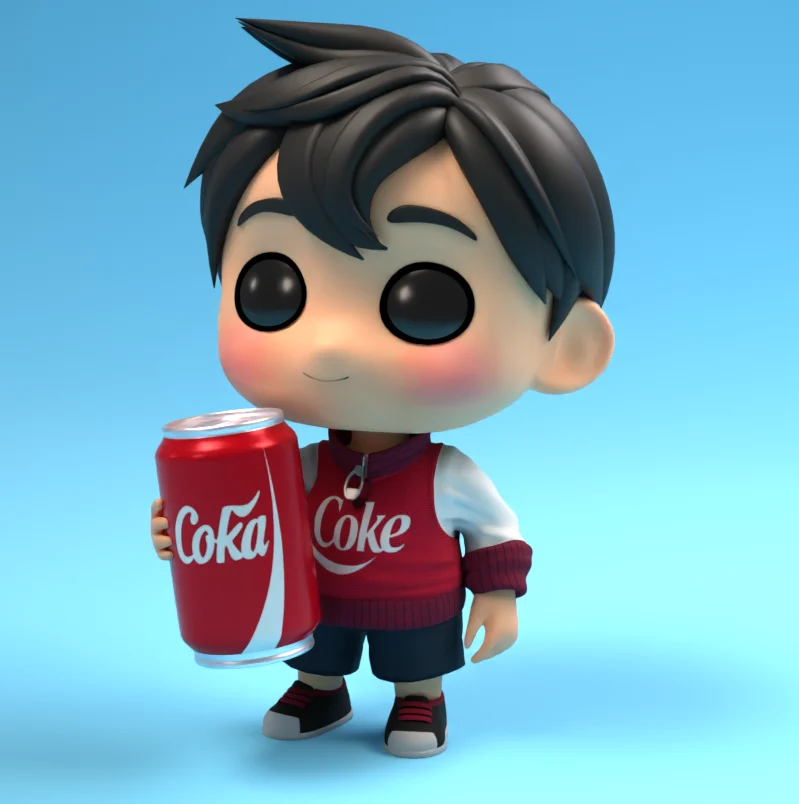
CAD Deziners transformed a 2D promotional character into a production-ready, durable physical mascot...
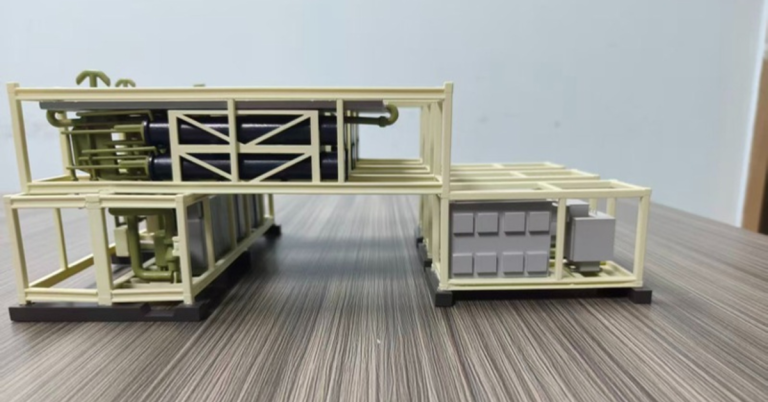
Cad Deziners successfully delivered a high-precision SLA 3D printed scale model of a complex industrial...
No posts found
Partner with Trusted Melbourne 3D Printing Company - CAD Deziners
A professional 3D printing service is not simply about putting a CAD file into a printer. The printing technology, material, geometry, wall thickness, support strategy, orientation, surface finish and intended application can all influence the final part.
That’s where our engineering approach makes a difference.
Whether you need a single prototype, functional engineering component, jigs and fixtures, architectural or industrial models, replacement part or low-volume production run, tell us what you are trying to manufacture.
Our team can review your requirements and help determine the most suitable 3D printing technology.
What Our Customers Say
Chris bene
“
I have had a really great experience with CAD Deziners. I had quite a detailed model which came out so much better than I expected. Good communicators, quick response and great results.
Nikki Seawright
“
Got some car trim parts printed in MJF and they turned out great. Communication was good and I was regularly updated with regards to progress. Highly recommend for your home project needs.
Kamalesh Kumar
“
I searched CAD DEZINERS online after looks at some posts on social media. I have received the product today and the quality is amazing as it cost effective compared to some other quote a got.
Hossein Nejati
“
A professional team with quick responses and efficient communication. This was one of the best experiences I have had for 3D printing for our company. CAD Deziners are our new choice now!
Trev
“
I went to them with a difficult 3d print job, and they didn’t flinch where other online providers were telling me too difficult and “it won’t work” Cad Dezigners did it and did it without fuss.
Tom Belica
“
The final products look amazing and the outcome was so much better than what we planed for. Team was very helpful and responsive to all the changes and requests we made throughout the whole process!
Australia Wide Dedicated 3D Printing Services For You

Melbourne

Perth

Sydney
Brisbane
Adelaide

Canberra
Frequently Asked Questions
Find answers to common questions
We provide FDM, SLA, SLS, MJF, PolyJet and metal 3D printing solutions for prototypes, functional parts, display models and low-volume manufacturing.
It depends on the part's geometry, material requirements, strength, surface finish, tolerance, quantity and intended use. FDM, SLA, SLS, MJF, PolyJet and metal printing each have different strengths.
Yes. We support several plastic and resin-based additive manufacturing processes, including FDM, SLA, SLS, MJF and PolyJet.
Yes. We offer metal 3D printing solutions for suitable engineering applications, including projects involving materials such as titanium, aluminium and stainless steel.
Yes. STL is one of the file formats supported through our quotation process. We also accept formats including STEP, IGES, OBJ, 3MF and WRL.
Yes. Our CAD, 3D scanning and reverse-engineering capabilities can help create usable digital geometry before printing.
Yes. Depending on the project, 3D printing can be suitable for one-off prototypes, custom components and small production runs.
Yes. Our focus includes B2B applications such as product development, engineering prototypes, manufacturing aids, replacement components, display models and low-volume production.